A subtle psychological trick in your browser's address bar called salience bias has protected users from phishing attacks for over a decade. Salience bias is a cognitive behavior that causes one to notice things that stand out more.
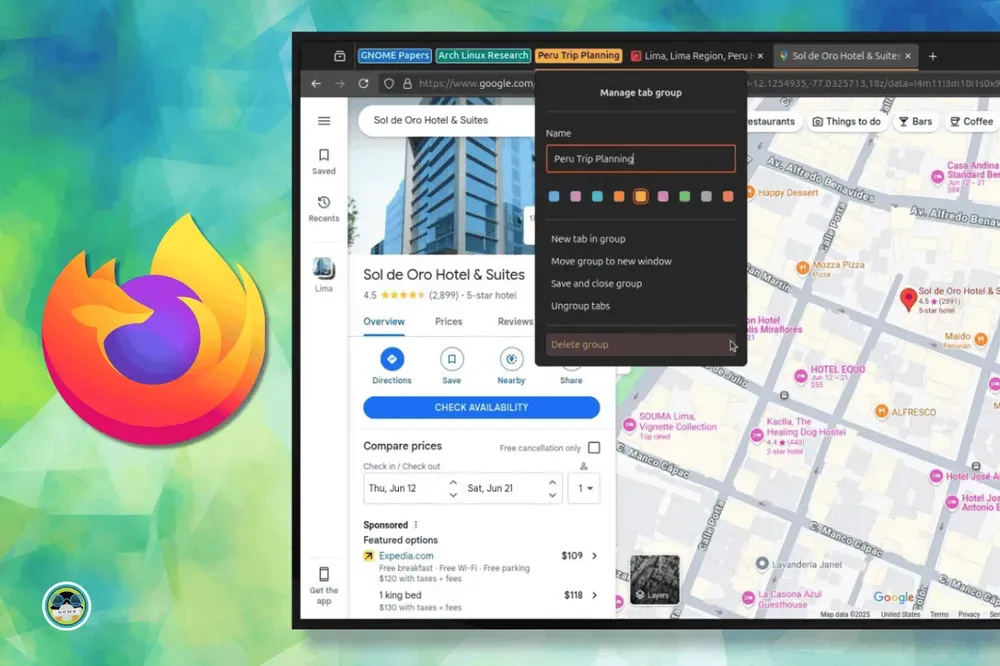
Privacy-focused Firefox is one of the few web browsers around that is not based on Chromium. Many have asked for improvements to its core functionality, and Firefox has finally delivered a long-requested Tab Groups feature.
In response to Mozilla's recent privacy changes, Zorin OS 17.3 replaces Firefox -- its previous default browser -- with Brave, albeit a customized version that hides features like Brave Rewards, Wallet, Leo AI, and more.
Rumors of the ongoing death of software development — that it’s being slain by AI — are greatly exaggerated. The work of a software developer is much more than just writing lines of code.
Today, a nonprofit focused on bringing governance to open source projects announced the launch of a new security fund that will pay those who responsibly disclose security vulnerabilities that affect fediverse apps and services.
Mozilla will soon unveil a new set of "professional" services designed to enhance the basic email management features of its free, open-source email client, Thunderbird. https://www.techspot.com/news/107366-thunderbird-email-client-venturing-new-pro-tier-commercial.html
Today, unless you go totally off-grid, you'll never have the privacy people took for granted at the end of the 20th century.
Akamai announced a multi-year partnership with the Linux Kernel Organization to provide critical infrastructure support for the development & distribution of the Linux kernel, ensuring uninterrupted access for its global developer network.
Author, journalist, and long-time Internet freedom advocate Doc Searls wants us to stop asking for privacy from websites, services, and AI and start telling these things what we will and will not accept.
Unlike chatbots, AI agents operate outside of a chat window, navigating multiple applications to execute complex tasks in response to simple user commands. How much control are we willing to surrender? At what cost?