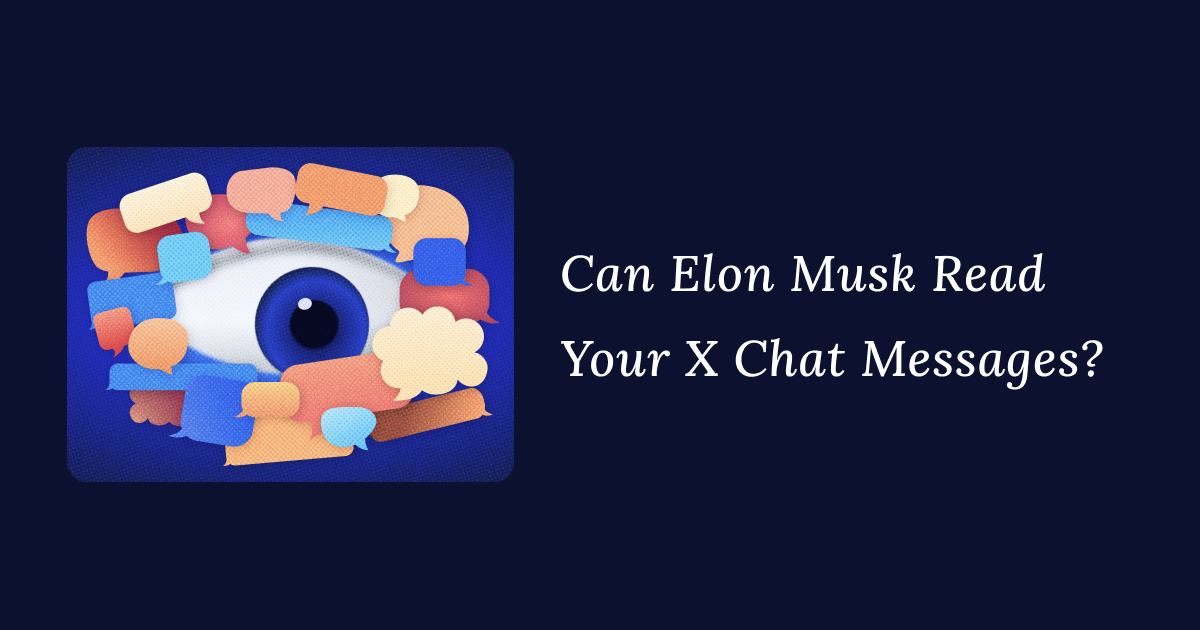
Great write-up on the reverse engineering of Twitter's E2EE protocol. It comes with significant drawbacks that compromise the promise of E2EE for Twitter users.
It's not:
- forward secure
- post-compromise secure
- MITM resistant
It's trivial to get snarky and claim "of course Elon is reading your DMs", but it's another to actually dig into a black box protocol and put the claims to the test.
I've been holding on to the same OpenSSH known hosts file since I started with my current employer, 13 years. I wonder how much of this is old cruft:
% wc -l ~/.ssh/known_hosts
1803 ~/.ssh/known_hosts
#linux
Something is stealing my DNS in Brave and I cannot for the life of me figure out what.
When I type in the URL in a normal window, the TLS cert fails because it doesn't match the domain. Brave alerts me to the problem and prevents it from happening, asking me to proceed.
When I type the URL in a private window, everything behaves normally.
I've disabled all extensions, cleared cache, cookies, history, etc. yet the problem remains.
Anything I can do in the developer tools to investigate?
<rant>
The clock in the OS works by having the time updated based on the counter in the RTC.
Sun with #Solaris Zones made every object inside the kernel have a zone context and then very carefully abstracted and hardened any exchange across zone boundaries so that there isn't even a handle on global resources inside a zone.
So it followed that each zone could have its own clock object spawned and all existing software would seamlessly work inside a zone.
1/2