Abeda worked as a teacher in Afghanistan’s Balkh province for more than a decade before the Taliban returned to power in 2021. As a widow and a single mother, losing her job was catastrophic. For the last six months, she has been selling second-hand clothes by the side of the street to try to make a little money to feed her family. This is her story, told in her own words: I can say with certainty that after the Taliban came to power, my life became dark and bleak. They took away my peace and all my plans for the future. Before the regime change, I worked as a teacher in a girls’ secondary school. I had a calm and modest life. My salary was not very high, but at least my children went to bed with full stomachs. When the Taliban closed girls’ schools, I was forced to stay home. My husband has passed away, and the responsibility of providing for my children rests entirely on my shoulders. I have borne many difficulties up to now, but I have reached the point where life has become unbearable. Working on the roadside isn’t easy. Sometimes I hide myself under a chadari (burqa) , so that no one can recognize me. This saves me from the shame I feel when I see former colleagues or even past students. But what can I do about the Taliban’s violent harassment?
Even when women understand the risks, many say they have little control over prevention. A 27-year-old woman from the East Mumbai suburb of Kurla, who spoke on condition of anonymity, told Health Policy Watch that her partner refuses to use condoms.“He says it affects his pride,” said Priya (not her real name). This is common, even in cities like Mumbai, India’s modern financial center. She said stigma is far stronger in rural areas, where access to contraception is limited and social scrutiny is intense. Many women end up with these infections simply because men refuse to use protection. Her account echoes broader national trends. A 2021 report found that fewer than one in 10 men in India use condoms, making male sterilisation and barrier contraception among the least-used family planning methods in the country. Female sterilisation remains the dominant form of contraception, often placing the burden of reproductive health entirely on women. By comparison, a 2025 Zipdo educational report estimated that around 45% of sexually active people worldwide used a condom during their last sexual encounter. Priya recalled a close friend who had part of her cervix surgically removed after an early cancer diagnosis. Doctors later told her that consistent condom use would likely have prevented the HPV infection that led to the disease.
Iraq’s shocking new law has ignited global outrage — Parliament just passed amendments allowing girls as young as 9 years old to be married. This decision reverses decades of progress established under the 1959 Personal Status Law, which once protected women’s rights and set the legal marriage age at 18. Human rights organizations around the world are condemning the move, warning that it exposes young girls to exploitation, abuse, and lifelong harm. Critics say the amendments weaken essential protections for women, including rights related to divorce, custody, and inheritance — rights that took generations to secure. What was once considered one of the Middle East’s strongest legal frameworks for women is now at risk of being dismantled. The international community continues to speak out, calling for the protection of women and children who stand to lose the most from this devastating decision.
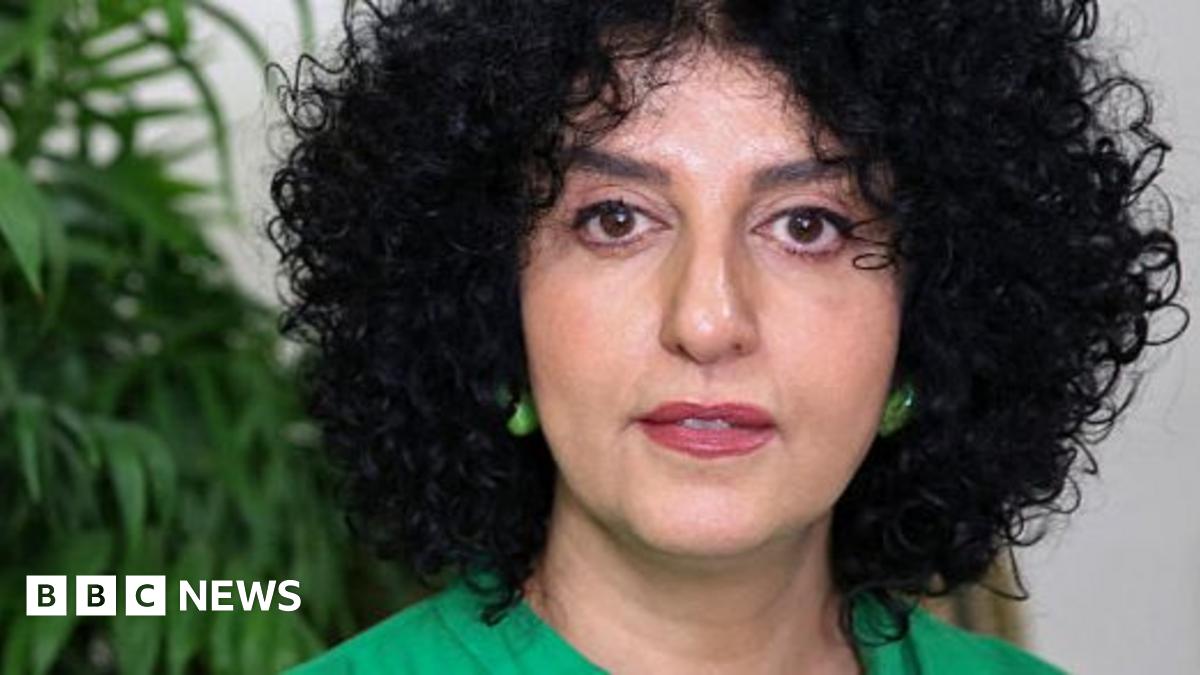
Iranian Nobel Peace Prize winner Narges Mohammadi was taken to hospital after being beaten when she was arrested last week, her family says. The 53-year-old human rights activist told them in a phone call on Sunday that she was brought to an emergency department twice after being "attacked by plain clothed agents with severe and repeated baton blows to the head and neck", according to the Narges Foundation, external. There was no comment from Iranian authorities, but they have said she was detained for making "provocative remarks" at a memorial ceremony in the city of Mashhad on Friday. The Nobel Committee and award-winning film-maker Jafar Panahi are among those calling for her release.
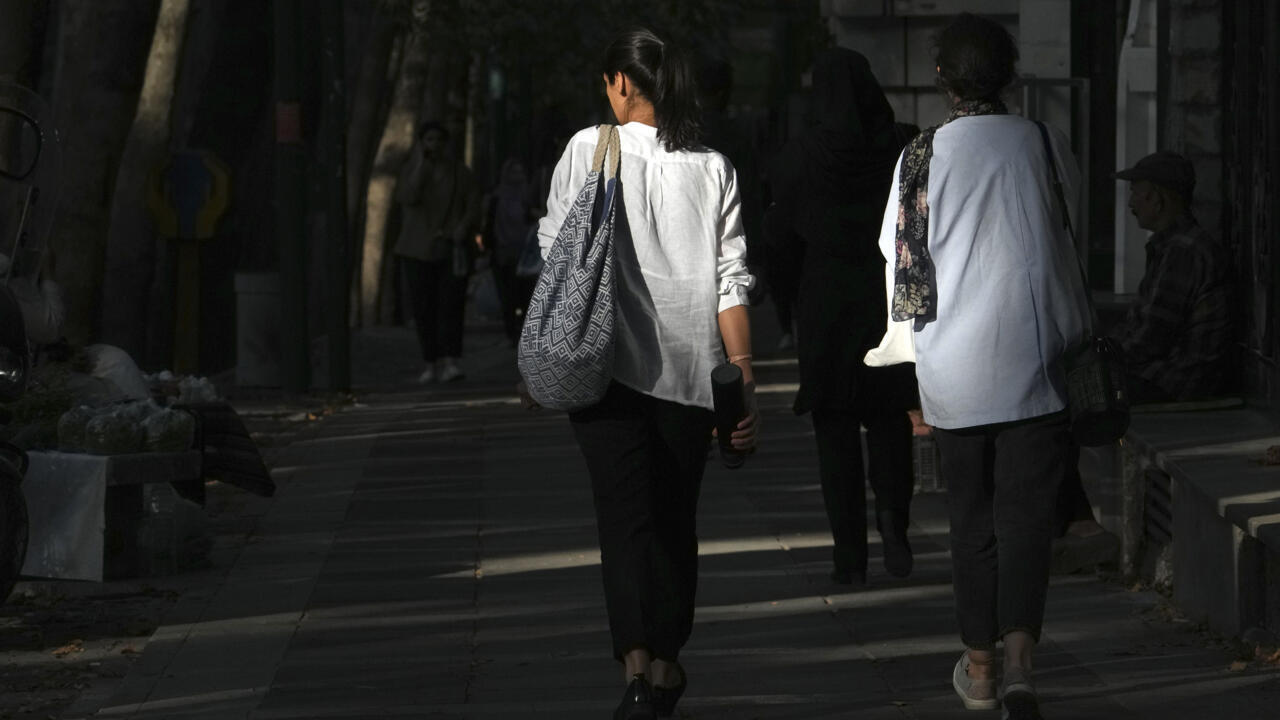
"When I look at old photos of myself wearing the hijab, I find it quite strange," she told RFI, speaking on condition of anonymity. "I no longer recognise myself." Today, she leads most of her daily life without a headscarf. While she walks in the street or visits cafés bareheaded, she still covers up to visit government offices, where women are denied entry unless they comply with Iran's religious dress code. She is not alone. A growing number of women are daring to defy the rules since Amini's death in police custody provoked protests across Iran and the wider world. "At first, it was mainly young people," the woman said. "Now it's more and more women, not all young." Wearing a hijab remains the law in Iran, as it has been since the Islamic revolution of 1979. Some police forces are reportedly enforcing this law less rigorously in the aftermath of the protests, although observers say this varies from town to town. Iran's parliament last year passed a law – drafted some eight months after Amini's death – that increased surveillance and imposed even harsher penalties for women and girls who refuse to entirely cover their hair, forearms or lower legs. Yet the government postponed its implementation, originally planned for December 2024, and called for the text to be revised. The legislation remains pending. President Massoud Pezeshkian, elected last July, has publicly expressed reservations about the mandatory hijab, telling American broadcaster NBC News: "Human beings have a right to choose." His position is at odds with hardline lawmakers, who earlier this month wrote to Iran's chief justice to complain about lax enforcement of the dress code. Conservative protesters have also turned out repeatedly to call for stricter punishment, including staging a sitWomen's dress remains a lightning rod in Iran, nearly 50 years into its theocracy. "The veil is more than a just a piece of cloth," explained Azadeh Kian, professor of sociology and director of the Centre for Gender and Feminist Studies at Paris Cité University. "It is an ideology that has been imposed on women since the beginning of the Islamic Republic."-in outside parliament that lasted around six weeks.