It’s been a strange year for gaming.
On one hand, I’ve spent more money than ever. Not because prices went up, but because there’s been a flood of genuinely good work. When something is good, I buy it. That’s my tiny protest against slop.
2025 is the first year in a long time where the signal beat the noise. More actual art. Less nickel-and-dime nonsense. Indies weren't the also-rans, they ran the table.
The Video Game Awards noticed, with indies dominating the major categories. That wasn’t an act of charity. Indies were so good, wins were inevitable.
The other side of the ledger is uglier.
Big money has been quietly backing out of games. For example, Ziff Davis bought Humble Bundle in 2017. Spun up Humble Games, a publishing arm. Then effectively shut it down in 2024, laying off the entire team and leaving developers hanging. Clean hands. Messy floor.
That story repeats everywhere. Microsoft bought Bethesda and Activision, then closed multiple studios. Embracer bought half of Europe, then remembered math exists. Square Enix burned hundreds of millions chasing blockbuster hits that failed to land.
Thousands of developers lost their jobs. At the time, I said the same thing I’ve said for years. Games are not franchises. They’re not IP. They’re the people who make them.
Those people didn’t vanish. They didn’t wait politely for AAA to come back. They went solo. They formed tiny studios. They built new IP because they had no choice and nothing left to lose.
Now we’re playing the results.
It’s still choppy. Publishers are still folding. But the creative center of gravity has already moved. Big budgets are shrinking. Big ideas are not.
Turns out, talent was never the safe bet. It was the only one.
PC Gamer
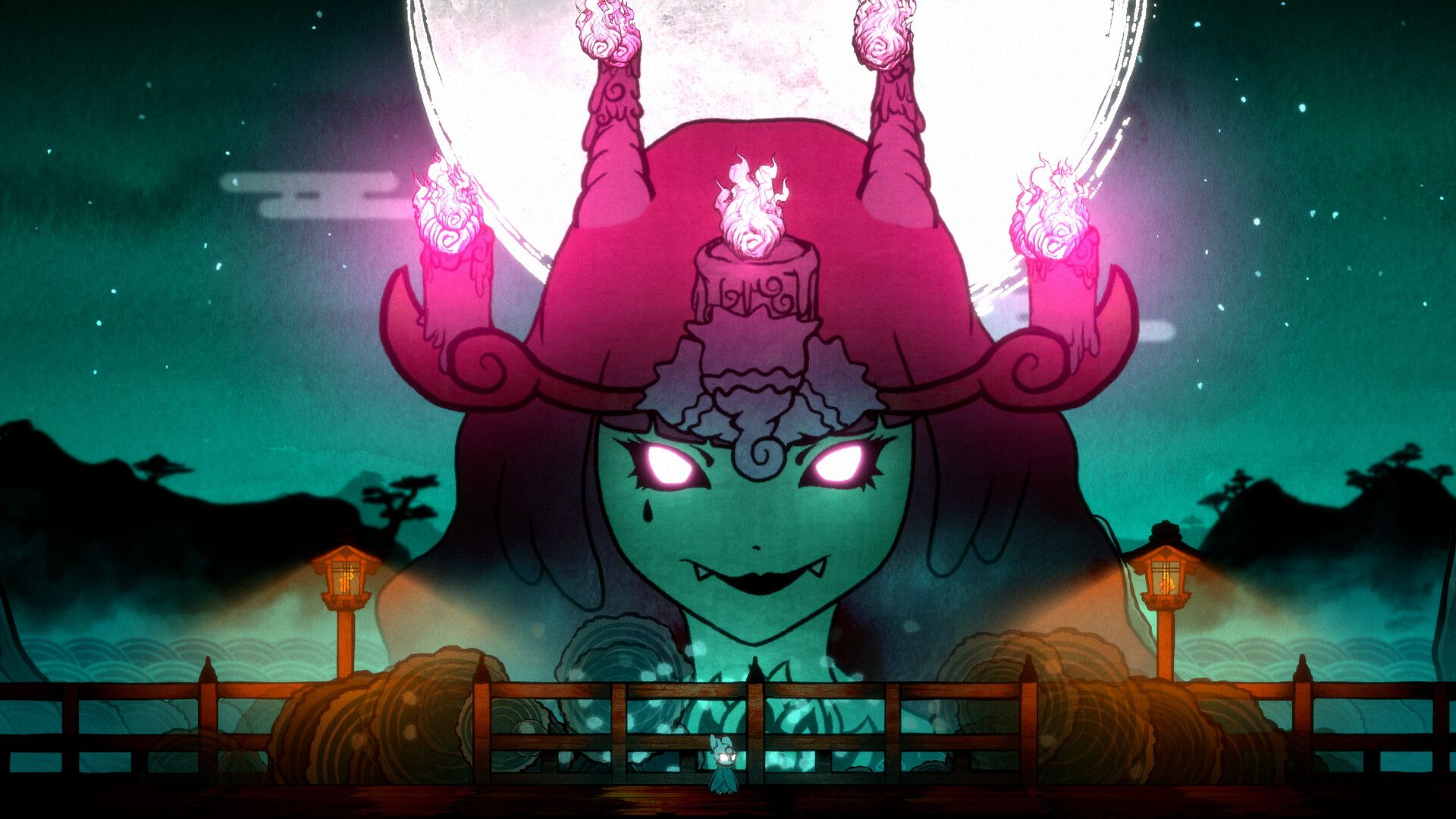
Days after launching their first indie game, everyone responsible for publishing it was laid off:
For the makers of Bō: Path of the Teal Lotus, launching a game in today