I’ve been going through lists of the worst songs of 2025. I’m usually skeptical. “Worst” is subjective, and most of these lists are just engagement bait. Then I heard a Kanye West track. And yes, it is genuinely the worst song I have ever heard. That’s not hyperbole. I consider myself a connoisseur of bad music. This one crossed into something else entirely. It’s so bad it’s actively unsettling. I’m annoyed that it exists. Worse, it forced me to learn more about Kanye West than I ever wanted to know. I already had a very low opinion of him. The Hitler stuff was sufficient. Somehow, he still managed to clear a new low bar. Why am I saying this at all? Because I needed to vent. That song should not exist.
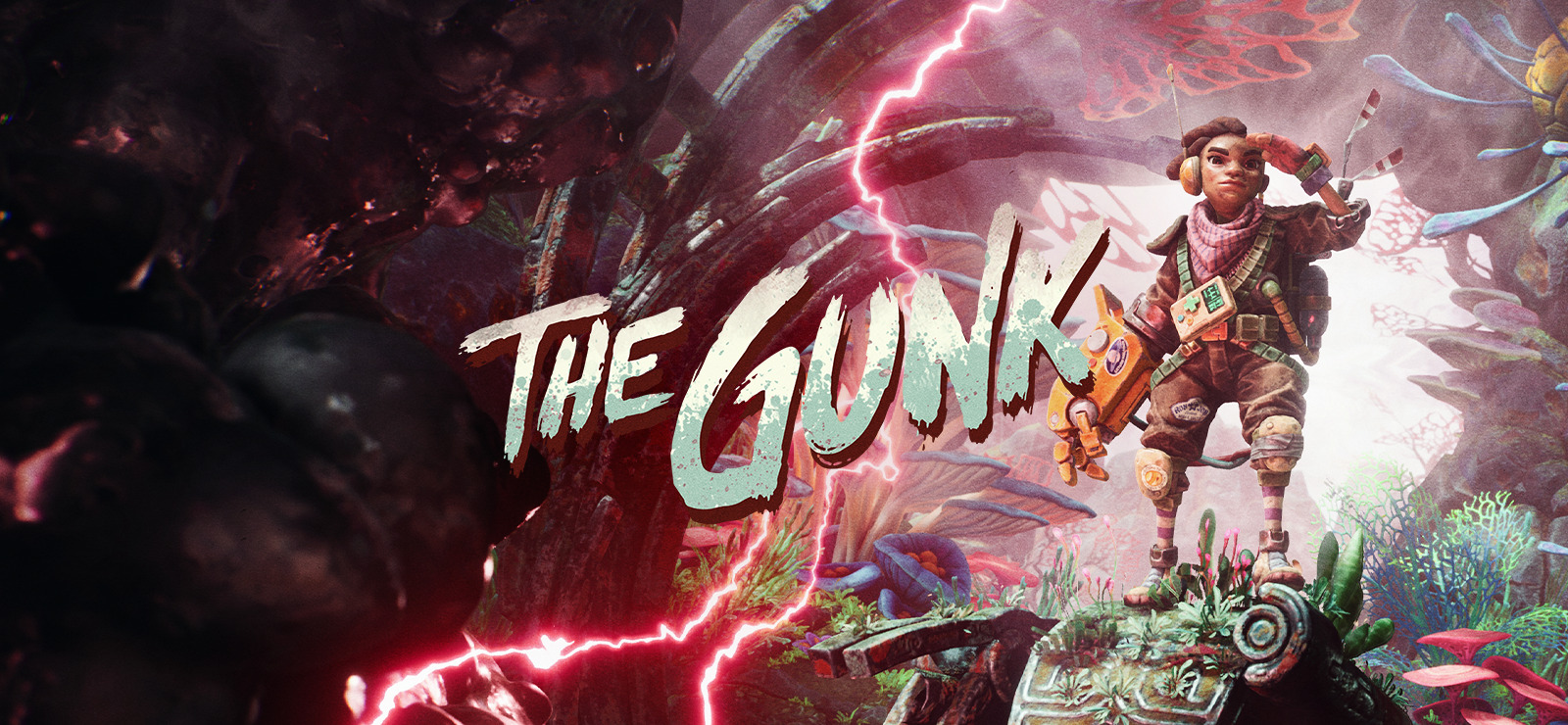
The Gunk was my favourite game I played in 2025. I played 435 games this year. This was the one I spent the most time with. I enjoyed every minute. Right now it sells for $0.74 USD. That’s a 97% discount. The game is 100% DRM-free. It is absolutely worth it.
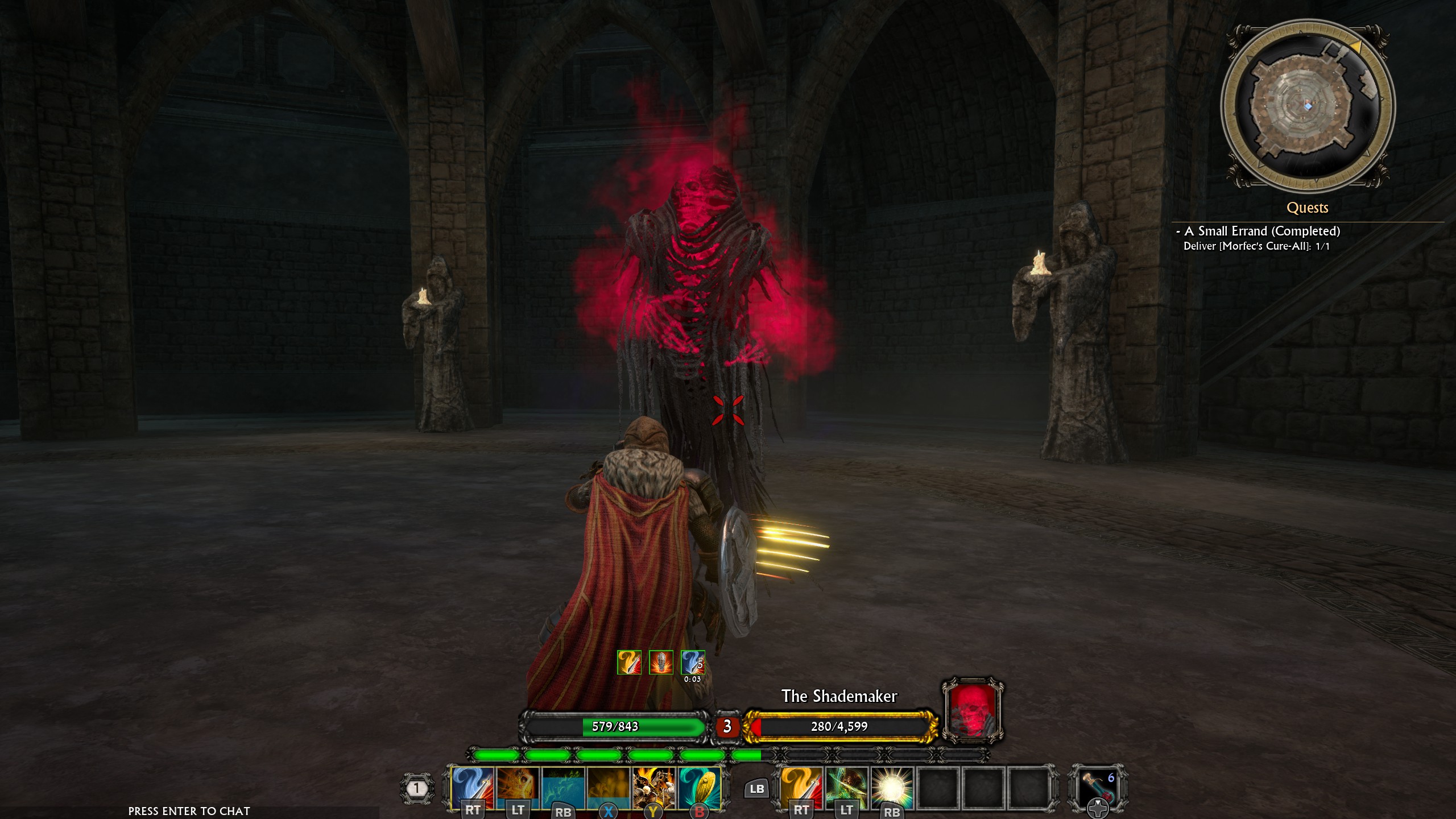
I’m a huge fan of Dungeons of Sundaria. This is a cooperative action RPG dungeon crawler built by Industry Games, a small independent studio out of Arizona. No procedural fluff. Just massive, hand-crafted dungeons designed to be suffered through with up to 4 players. It landed a full 1.0 release on December 12, 2023, across PC, PlayStation, Xbox, and Switch. The dungeons are the entire point here. They are enormous, themed, and unapologetically long. This is not a 15-minute loot jog. You get checkpoints because the developers know what they’re doing to you. Enemy patrols, mines, stunlock nonsense, and bosses that absolutely do not care if you queued solo. The combat is pure mayhem. Five classic classes—Champion, Cleric, Ranger, Rogue, Wizard—lean hard into old-school party roles. Co-op makes this plainly better. Positioning matters. Button-mashing alone will get you folded. It reminds me a lot of Enclave—that early-2000s action RPG where you picked a class, entered isolated combat arenas, and survived on stiff melee, dodgy camera angles, and raw difficulty—but Dungeons of Sundaria takes that foundation, stretches it into massive continuous dungeons, cranks the hostility, and then actually rewards you with mountains of meaningful loot. And yes, the loot. There is a lot of it. A ridiculous amount. The entire gameplay loop is opening doors, decimating monsters, and vacuuming up gear to make your character increasingly unhinged. Finish a run, tweak your build, go back in harder. Post-max-level progression exists specifically so you don’t stop doing this. This is not a AAA production. The graphics are dated. Animations can be stiff. The camera occasionally fights you, especially if you picked a smaller race. None of this matters. The art direction is clear, readable, and easy on the eyes, which is exactly what you want when everything is trying to kill you at once. People keep calling Dungeons of Sundaria an underrated gem, usually right after complaining about the grind and then loading another dungeon anyway. The frequent deep discounts suggest it didn’t set the sales charts on fire. That tracks. This is a niche game for people who miss classic D&D-style dungeon crawls and don’t need cinematic hand-holding. If you want spectacle, look elsewhere. If you want long, punishing dungeon runs, absurd loot, and a game that respects your ability to figure things out, Dungeons of Sundaria absolutely gets it. image
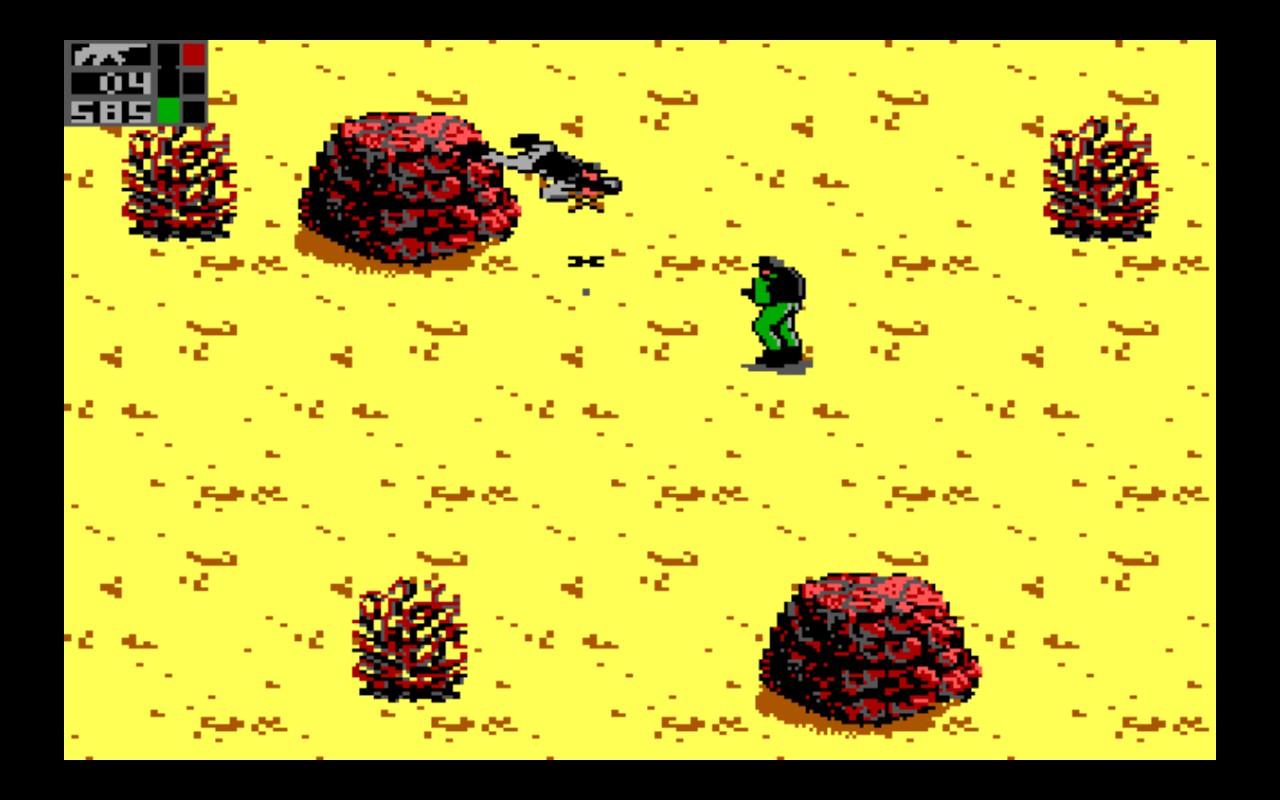
People forget how many good computer games came out of the 80s. And no, they were not all CRPGs, flight sims, or point-and-click adventures. Airborne Ranger on DOS was a tactical shooter. In 1988. From MicroProse. The same year most action games still thought speed alone was a personality. This is not Commando with better graphics. It looks similar at a glance, then immediately punishes that assumption. Commando wants momentum. Airborne Ranger wants you to stop, plan, and think. Preferably before you step on a mine and lose the mission in 5 seconds. You play a single U.S. Army Ranger dropped behind enemy lines. No squad. No backup. Before the mission even starts, you choose your Ranger and load three supply pods. Ammo, grenades, medical aid. Choose wrong and you will run out of the thing you need most. The game does not adjust for that mistake. The maps are randomly generated. Desert, arctic, temperate. Objectives rotate between blowing up bunkers, rescuing POWs, or capturing officers. Enemies patrol. Mines are everywhere. Stealth is not optional unless you enjoy repeating the opening drop sequence. The controls are pure 80s PC. Numpad movement. 5 to fire. Everything is stiff and deliberate by design. Joysticks exist but feel wrong. This was built for a keyboard and it shows. On modern systems, custom gamepad mapping helps a lot. Treat that as a quality-of-life patch, not a rewrite. Modern players may hate this. There is no tutorial. Difficulty is high from the start. The game assumes you read the manual. That manual goes deep into real Ranger history, training, and weapons, because MicroProse never met a subject they could not overdocument. That grounding works. Every bullet matters. Every decision stacks. If you get captured, the game lets you attempt a rescue, which sounds heroic until you realize it just added another way to fail. This is one of the better PC shooters of the 80s. It also explains why PC players had a very different idea of what action games could be. If you were purely a console gamer at the time, you missed out. If you are curious now, Airborne Ranger still holds up, provided you are willing to meet it on its terms. image
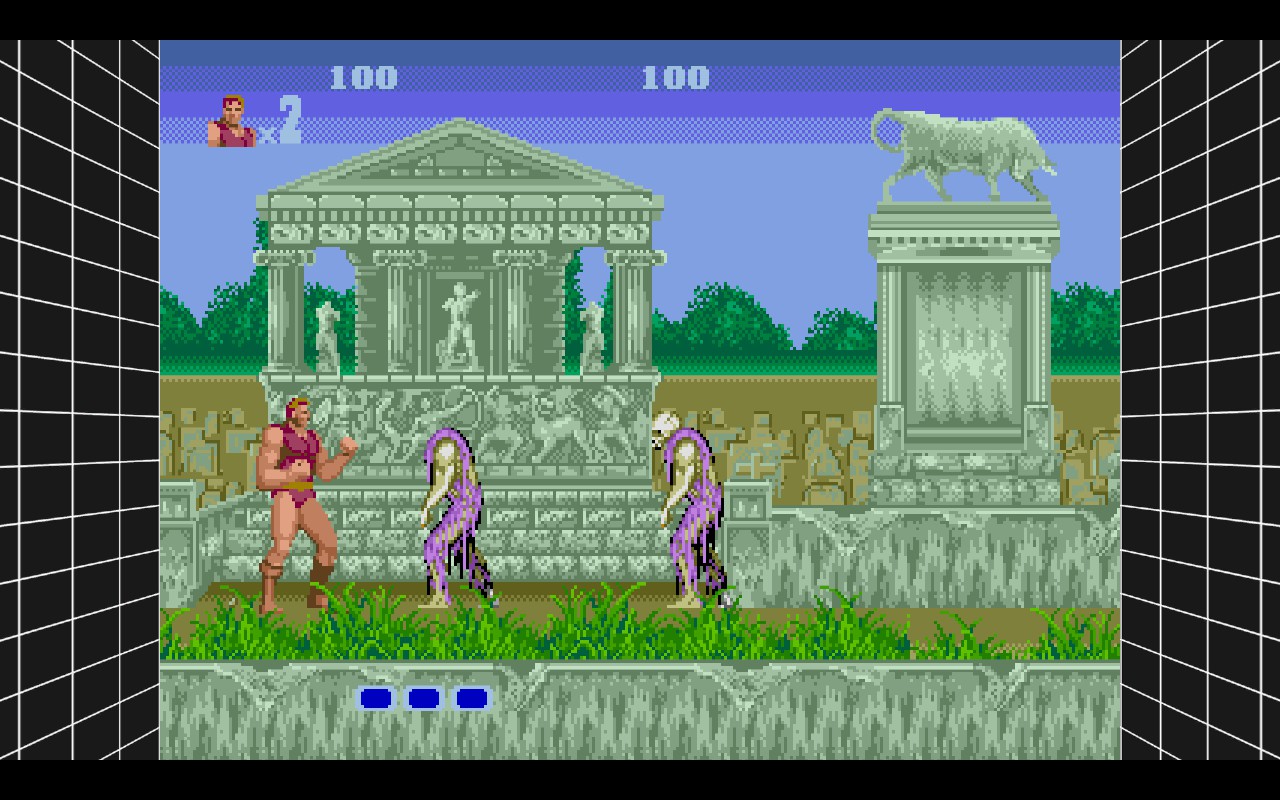
Altered Beast was the original pack-in for the SEGA Genesis. Not the best one. That title belongs to Sonic 2. Still, it was a smart choice. It showed, immediately, what 16-bit meant. More colours. Bigger sprites. Layered, moody backgrounds. Things the NES simply could not do. This mattered in 1989. A lot of people genuinely thought the NES was the end of the road. Parents assumed one console would last a childhood. And to be fair, a 6-year-old could live inside Super Mario Bros forever. But older kids wanted attitude. Something louder. Stranger. More aggressive. Altered Beast delivered that. A beat ’em up where you claw your way out of the grave and transform into monsters to wreck everything on screen. Yes, it can feel slow. Yes, the pacing is uneven. But at launch, it looked brutal, alien, and powerful. And that was the point. image
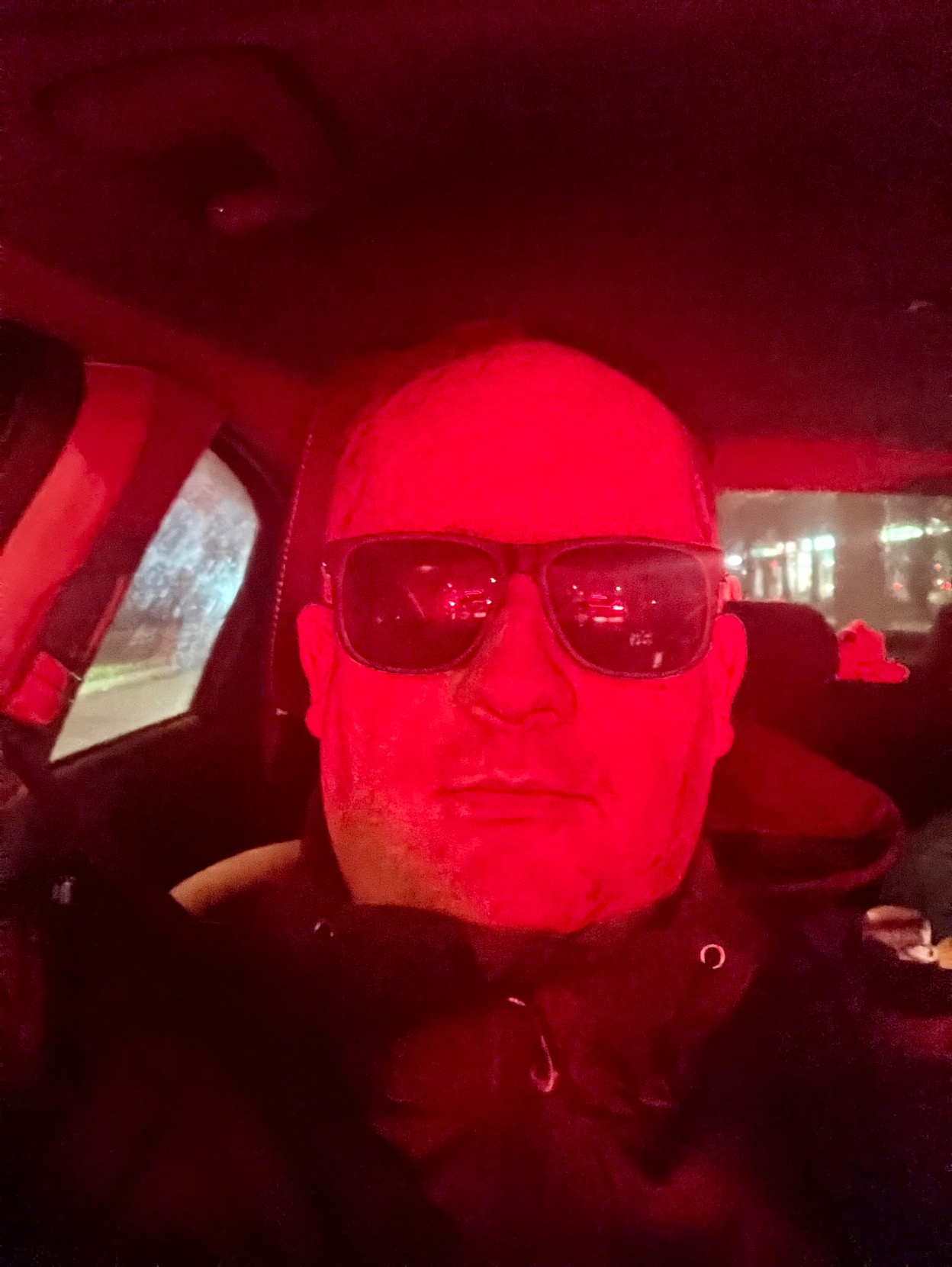
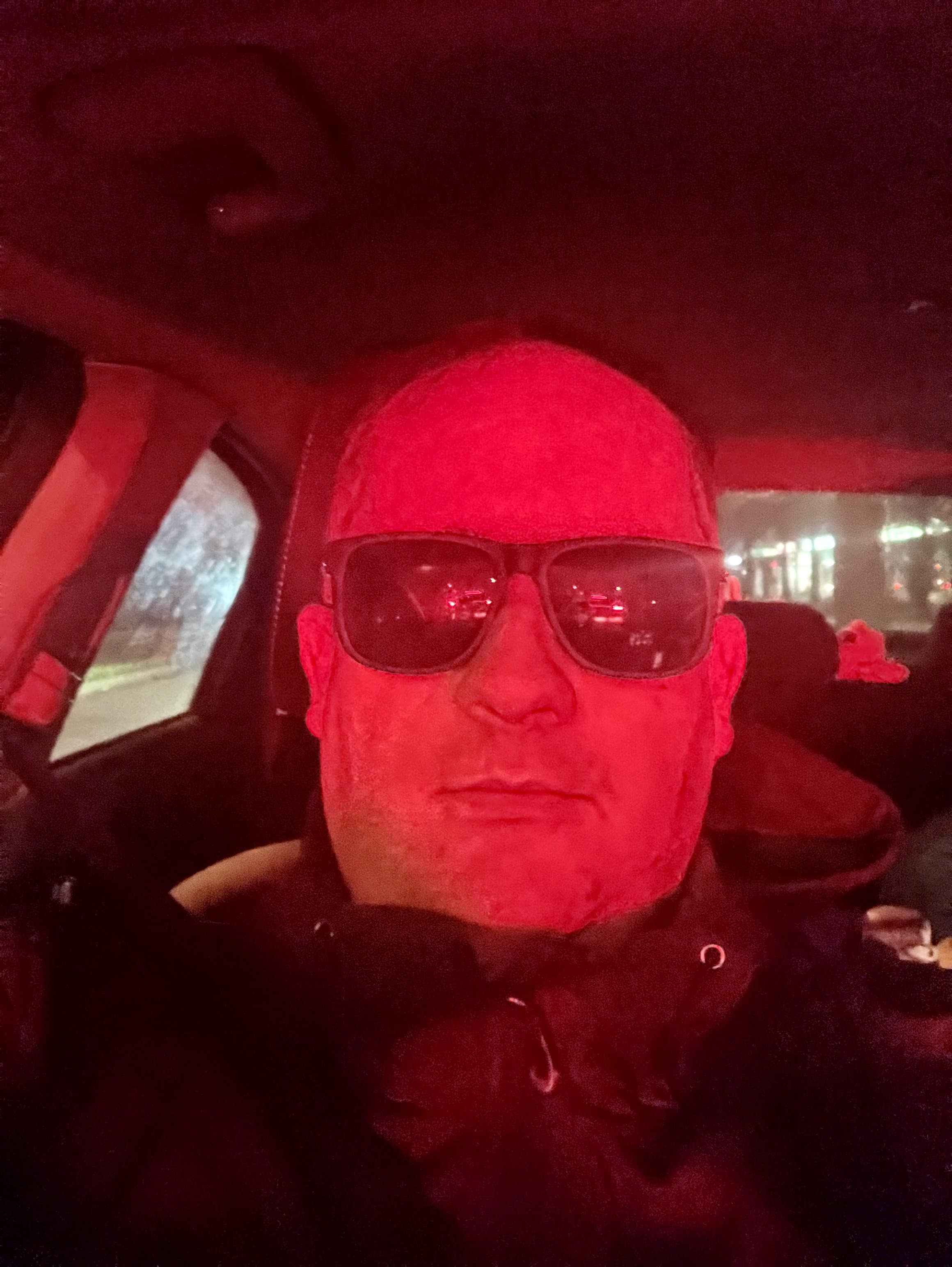
Should I make this my LinkedIn profile pic? image
I joined LinkedIn when admitting you were on LinkedIn would have gotten you side-eyed. Early 2000s. Post-crash. Before the word professional meant documenting your personality defect in public. LinkedIn wasn’t a network. It was a room. No chairs. One flickering light. Someone from SAP breathing too loudly near the printer. You didn’t use it. You inhabited it. Like a forgotten conference room where careers went to wait. The interface was blunt to the point of hostility. Beige. Arial. Dropdowns that looked like they resented being asked questions. No encouragement. No applause. Just names, companies, and the quiet implication that if you needed validation, you were already unqualified. Everyone there felt adjacent to something inevitable. Not success. Infrastructure. Enterprise companies were the edge. That’s where the serious thinking lived. Big systems. Long timelines. Decisions that would haunt people you would never meet. Also: WebSphere. If you worked inside one, you weren’t a “talent.” You were material. Raw input for a system that would outlive your enthusiasm. Profiles were deliberately undercooked. Incomplete histories. Job titles that said nothing and meant everything. “Architect.” “Consultant.” “Lead.” No one asked of what. Recruiting felt less like hiring and more like noticing weather. You didn’t reach out. You noticed. Sometimes you misinterpreted this as insight. There was an intensity to it. A belief that too much explanation would dilute the point. Also that explaining anything at all was vaguely suspicious. You were close to the work. Close to the people. Close to the future. Which, in hindsight, was mostly meetings. You didn’t post. You didn’t signal. You didn’t know what a “signal” was and assumed it involved hardware. You just existed inside it and let it change you. This felt important at the time. Then the lights came on. The room got bigger. Everyone arrived and started narrating. Thought leadership appeared. Personal brands emerged. People discovered adjectives. But for a brief window, LinkedIn was raw, concentrated, and a little dangerous— dangerous like committing to a ten-year vendor contract or replying “Best” instead of “Regards.” I was there when it still felt like trespassing. I mistook this for significance. Hiring quietly. You’ll know if this is for you. You won’t. The algorithm already decided. image
Ice in soft drinks is run by a shadow board of penguins laundering profits through Antarctica, which explains why the continent has no receipts.