[[Read in full on NHAM]](

NHAM
Imposter Syndrome
Imposter Syndrome by @sknob@mamot.fr The other day, I was listening to an interview of the lead singer-songwriter of a hugely successful band (that...
)
The other day, I was listening to an interview of the lead singer-songwriter of a hugely successful band (that I had never heard of, see below), during which he described the difference in his view between a hobbyist and an artist.
The gist of his point was this: hobbyists mainly engage in their hobby *for fun*, while artists make art because they *have to*, are compelled to, even though making art is often an extremely fraught and painful and laborious process riddled with angst, thankfully interspersed with moments of exhilaration.
This struck a chord with me, and got me thinking (again) about the whole notion of what it means to be a “real artist” and more specifically, a “professional artist” or musician.
In a market-driven economy where you have to have something to sell in order to literally *not die*, it’s hard to separate making art from the problem of staying alive making a living.
And so the public, and even artists themselves, tend to think an artists’ worth is measured in sales.
Which is obviously bullshit.
Because the percentage of artists who make a decent living from their art has always been tiny. In the olden pre-internet days for instance, bands used to make pennies on the dollar on record sales, and only once they’d paid off the recording studio and marketing costs fronted by the record labels.
Musicians who have the drive and stamina to find gigs (if they actually can or want to gig in the first place), market promote themselves online and IRL, make throwaway TikTok videos and/or sell *merch* (no comment) in order to eke out a living are worthy of admiration and praise for their dedication and perseverance, but those activities have *nothing* to do with making art, and everything to do with *not starving to death*.
Hopefully, you’ll agree with the following claims: <li>There are tons of “great artists” you have never heard of (see above), sometimes because they toil in total obscurity. </li><li>All of the artists you love and admire were once one of them. </li><li>There are maybe a few true, once in a lifetime “geniuses” out there that we don’t know about because they aren’t geniuses at self-promotion, or are busy herding sheep or harvesting rice or <a rel="nofollow external noopener noreferrer" target="_blank" href="
https://inv.nadeko.net/watch?v=wmncZG17Iek">moving furniture</a> or selling truffles*. </li><li>When it comes to emerging from obscurity, inspiration and perspiration count, but probably not nearly as much as <em>sheer luck</em> (as in when and where you were born and in what milieu, and as in pure serendipity). </li>
It follows that there is *absolutely no difference* in terms of *artistic worth* between an artist who makes a living from their art and an artist who makes a living doing something else.
None. Zero. Zilch. Nada.
You can be a hobbyist with or without a day job, but *having a day job doesn’t make you a hobbyist*.
Being *forced* to find a day job sucks, the day job may also suck, and even if it doesn’t, it steals time and energy away from making art which definitely sucks, but that says everything about the society we live in, and absolutely *nothing* about the artist or their art.
Children create art with a passion and without compensation, beyond the feedback they crave, because their basic needs are provided for.
In a post-capitalist solarpunk utopia (or think Ursula K. Le Guin’s *The Dispossessed*, or *Star Trek*), an artist would be someone who chooses to devote most of their free time and energy to making art, without worrying about food and shelter (or Klingons).
Or as Oscar Wilde put it:
> *A work of art is useless as a flower is useless. A flower blossoms for its own joy. We gain a moment of joy by looking at it. That is all that is to be said about our relations to flowers. Of course man may sell the flower, and so make it useful to him, but this has nothing to do with the flower. It is not part of its essence. It is accidental. It is a misuse.*
*Useless* isn’t a pejorative. It’s a badge of honor. It’s what makes art special.
And to keep rolling with Oscar’s metaphor, you could say that an artist with a day job is a gardener with a day job, while a “professional artist” is a gardener whose day job is working as a florist. I really have a hard time seeing a meaningful difference, even if both arrangements have particular pros and cons. Some “professional artists” will be full-time, full-blown horticulturists or even farmers who have to cultivate (at least in part) whatever will keep their business afloat, while artists with a day job can tend to their flower beds or vegetable gardens without any such market pressure, time and energy permitting of course.
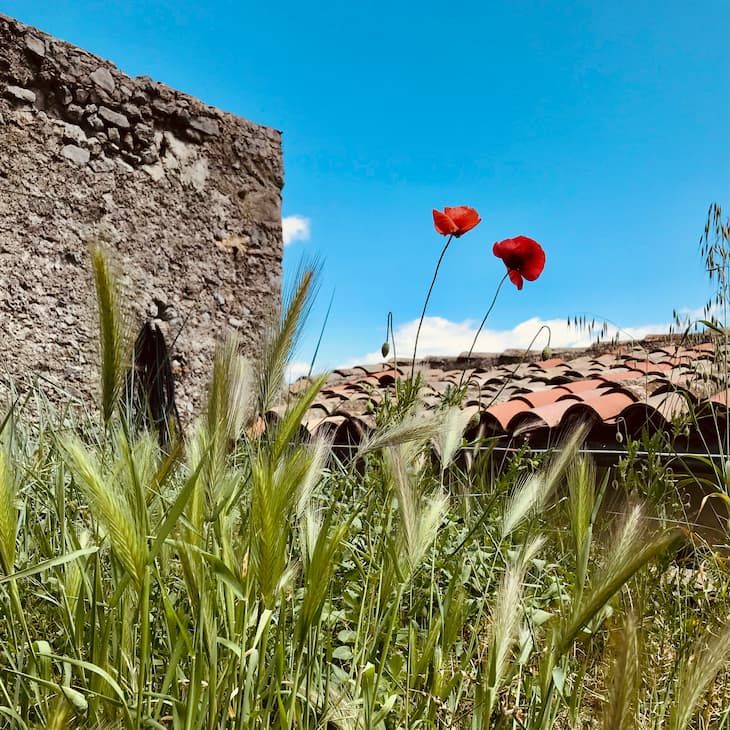
Don’t get me wrong: it took *decades* of music-making for me to get rid of my imposter syndrome and to be able to call myself an artist without adding air quotes, even though (or maybe because) [I never dreamed of fame and glory](
sknob
Living The Dream
Living The Dream
).
So, freed at last from *market-induced* imposter syndrome, but not from the need to survive, the one extracurricular activity that artists probably *should* be involved in, is *educating the music-loving public*: <li>So they stop confusing fame or notoriety with artistic merit. </li><li>So they stop valuing quantity (of sales, views, plays, followers, etc.) over quality. </li><li>So they stop seeing indie artists specifically as “mere hobbyists” who make “amateur” and presumably crappy art (do I actually need to convince anybody that there’s plenty of crappy “professional” art out there?). </li><li>And ultimately, so they come to realize that <a rel="nofollow external noopener noreferrer" target="_blank" href="
https://topspicy.social/@meljoann/114389457513066796">indie artists are in fact the cool kids on the block</a> 😎. </li>
This is a *cultural battle*, that *can* be won, *collectively*, because the tools and infrastructure and public do exist to circumvent toxic intermediaries.
Only then will music lovers be able to entertain the notion of [supporting indie artists](

IndieArt.Support - A Community for Independent Artist Support
Celebrating independent art, community, comraderie and as direct as possible support for artists.
) directly on [fair platforms](
NHAM
What is a Fair Music Platform?
Fair Music platforms can be defined by those which directly support musicians in a transparent manner. Ideally they are open-source collectives. In...
) in sufficiently large numbers to make it possible for a lot more artists to make a modest living, or at least enjoy a fancy meal once in a while.
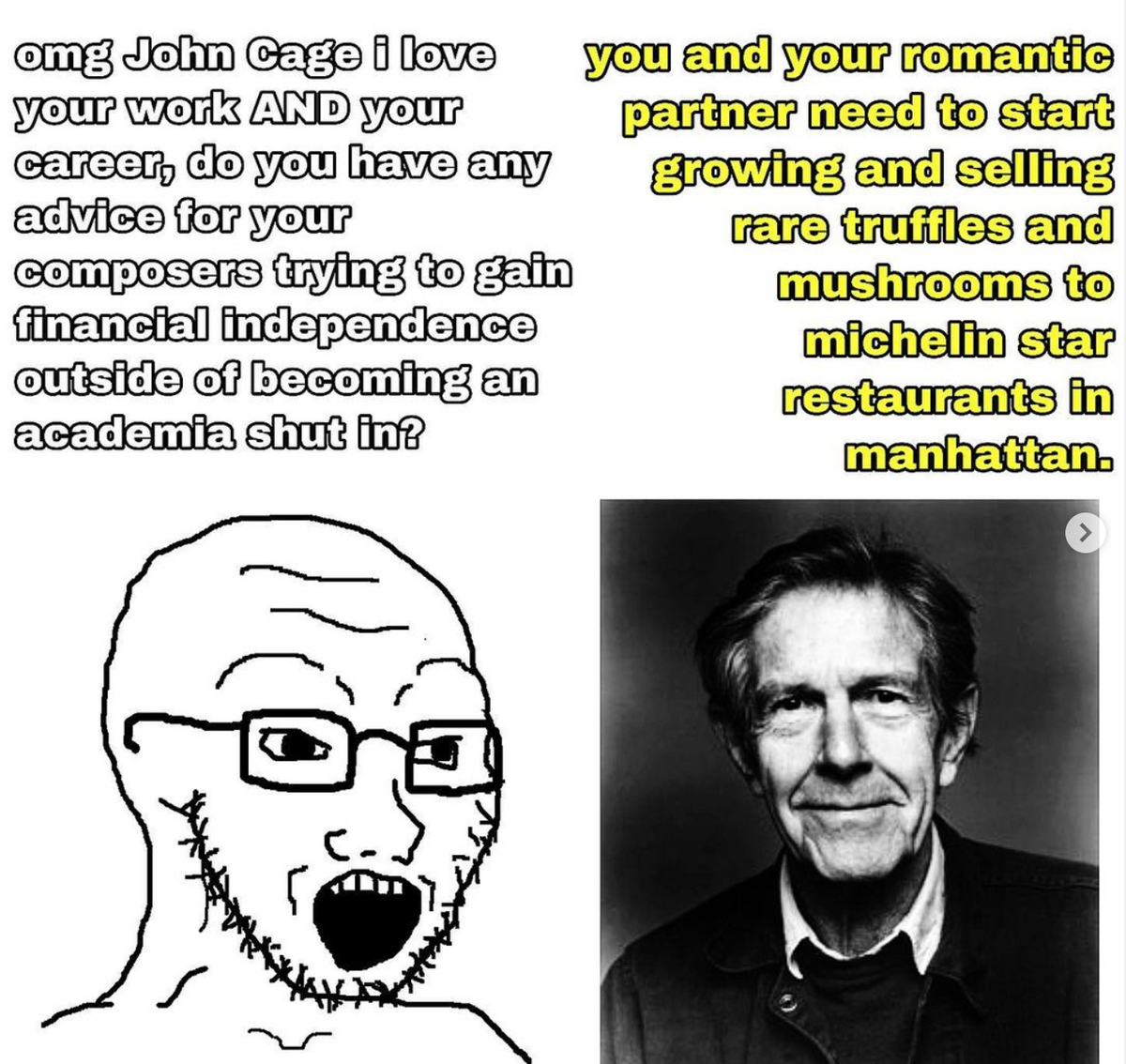
**After finishing the first draft of this post and while searching for a link to the story about how John Cage financed his music-making by finding and selling truffles, I stumbled on this fabulous article that I had totally forgotten about (and had I remembered it, I probably wouldn’t have bothered writing this one 😅) and which I heartily recommend: [Lifers, Dayjobbers, and the Independently Wealthy: A Letter to a Former Student](
Klang Magazine
Lifers, Dayjobbers, and the Independently Wealthy: A Letter to a Former Student
Written by Max Alper
Last year, a private student of mine had gotten in touch with me via email at around 3 AM. I had known this student for years...
) by Max Alper.*
#article #FairTradeMusic #ImposterSyndrome #IndieMusic

 )##
Apophonia by Roberta Fidora####
Review by @npub1vte9...qyed
[Apophonia](
)##
Apophonia by Roberta Fidora####
Review by @npub1vte9...qyed
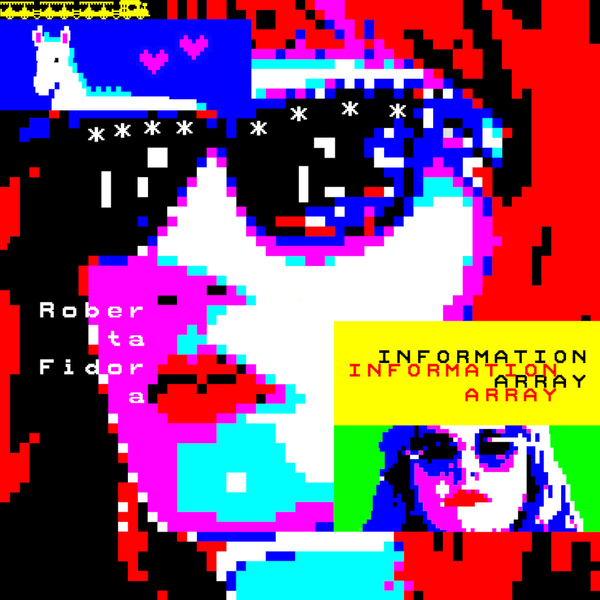
[Apophonia]( ) is a 5 track EP released by Roberta Fidora back in 2023. It’s full of catchy synthpop, and songs with a wistful, melancholic, self-aware, left of centre, humorous touch. All the tracks have a cohesive feel, but with a slightly different take on each.
[Shoreliner](
) is a 5 track EP released by Roberta Fidora back in 2023. It’s full of catchy synthpop, and songs with a wistful, melancholic, self-aware, left of centre, humorous touch. All the tracks have a cohesive feel, but with a slightly different take on each.
[Shoreliner](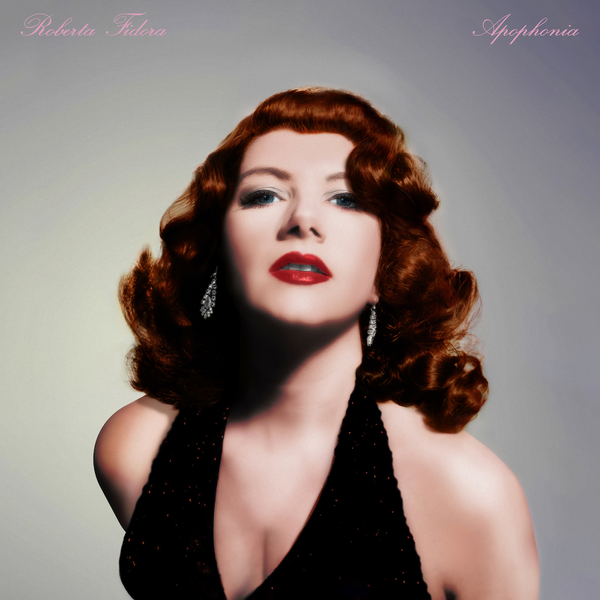 ) could almost be a darkwave remix of a 1980s goth pop rock song, and [Biarritz](
 ) (@npub1tk7m...6cq3).
#review
) (@npub1tk7m...6cq3).
#review