AuroraAurora Store is an open-source alternative to the Google Play Store Developed as open-source software, Aurora aim to challenge closed ecosystems, advocate for user privacy and data control, and foster a community that values transparency and collaboration. Aurora Store allows you to download and update Android apps anonymously, without needing a Google account. - Access millions of apps - Anonymous logins - No Google Services required - Clean, Material Design interface
Ubuntu Touch β€’ A whole mobile OS experience, that is yours. ![](https://m.stacker.news/112599) Ubuntu Touch is libre software originally developed by Canonical, now maintained by the UBports community; a collective of volunteers passionate about developing an ethical mobile operating system. Currently compatible with commercial devices that offer compatible Ubuntu devices as part of their business, like Volla Phone 22 and Fairphone 4. Or Community Devices by porters with a reputation for long-term commitment and competence, like the Google Pixel 3a ![](https://m.stacker.news/112598) Everything you expect from a phone, like a dialer, contacts and calendar, but since it's a real OS, it comes with a fully-featured file browser and terminal β€” you get apps that switch seamlessly between mobile, tablet, and laptop/PC. No need to relearn a new app for each purpose for each device. Browse available apps from your device, or the web from ![](https://m.stacker.news/112600)
Waydroid | Android in a Linux container ![](https://m.stacker.news/112597) Waydroid uses Linux namespaces (user, pid, uts, net, mount, ipc) to run a full Android system in a container and provide Android applications on any GNU/Linux-based platform (arm, arm64, x86, x86_64). The Android system inside the container has direct access to needed hardware through LXC and the binder interface.
Housing Design Catalogue – Standardized designs to make homebuilding easier ![](https://m.stacker.news/112588) ![](https://m.stacker.news/112589) ![](https://m.stacker.news/112590) ![](https://m.stacker.news/112591) The Housing Design Catalogue offers over 50 regionally tailored, standardized designs. It includes accessory dwelling units, townhouses, rowhouses and multiplexes to help Canadians build more homes, faster. The designs prioritize energy efficiency, accessibility and livability. They have been developed by local architects and engineers to comply with regional building codes. The Catalogue helps municipalities, builders and homeowners build more homes, faster. It's ideal for encouraging gentle density and infill development. ![](https://m.stacker.news/112592) ![](https://m.stacker.news/112593) ![](https://m.stacker.news/112594) ![](https://m.stacker.news/112595) ![](https://m.stacker.news/112596)
"The Inclusive Design Principles" conceived by @deSign_r - capturing #ideas in visual form. Brilliant thinking awaits #design & #creativity:
"The β€œΒ£532,000” dot job: Why small design changes cost big?" crafted by @deSign_r. Waste nothing purposefully. Conscious creation for #design & #creativity.
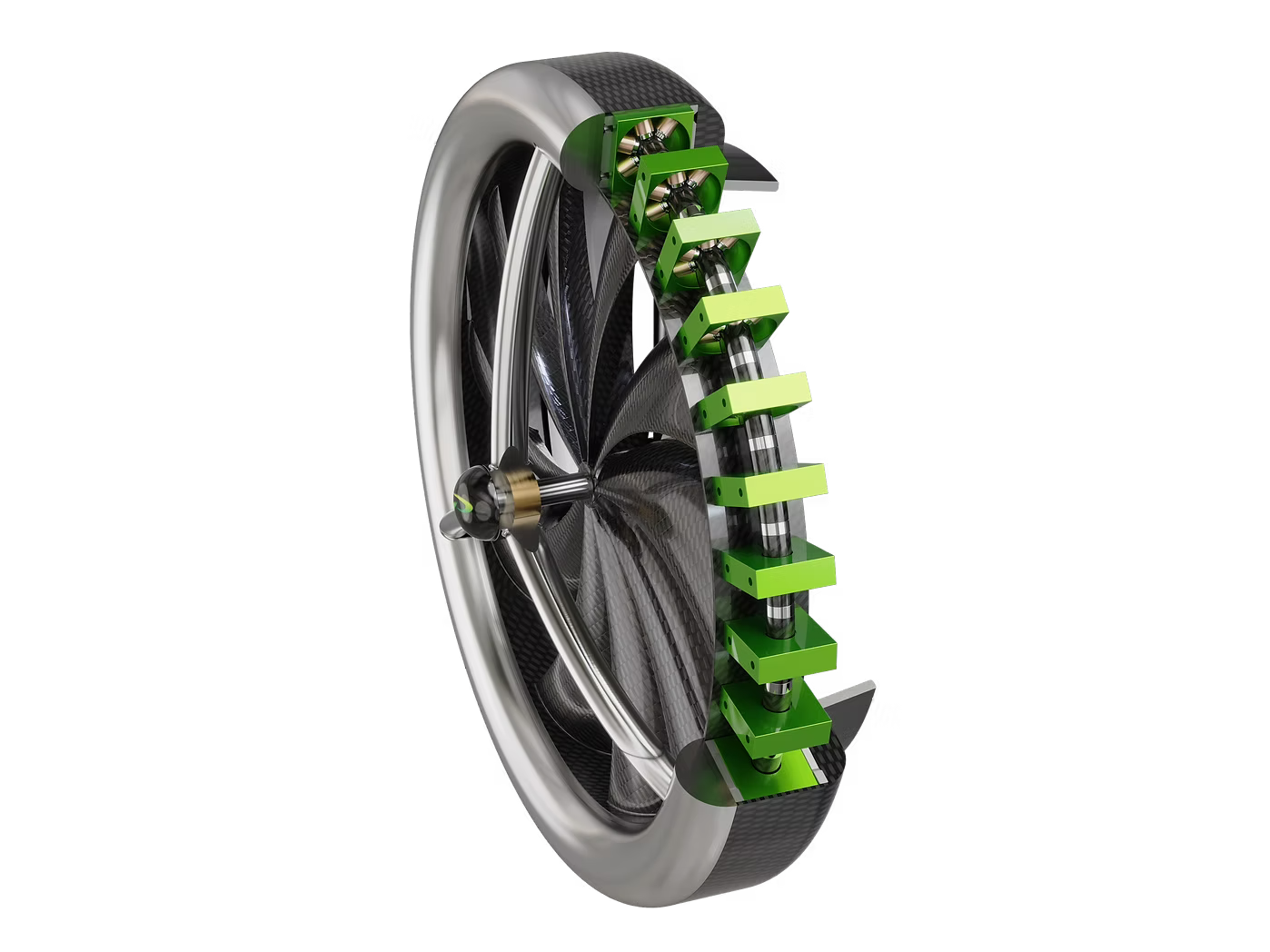
@deSign_r shares "ParaNetics: Magnetic Motors for Airplane, Drones and Submersibles" - bringing beauty to life. Dynamic #design & #creativity.
The Inclusive Design Principles ![](https://m.stacker.news/112439) These Inclusive Design Principles are about putting people first. It's about designing for the needs of people with permanent, temporary, situational, or changing disabilities β€” all of us really. They are intended to give anyone involved in the design and development of websites and applications - designers, user experience professionals, developers, product owners, idea makers, innovators, artists and thinkers - a broad approach to inclusive design. The principles are also available to hang on your wall as a set of illustrated posters (2MB) by Barclays Access team. ![](https://m.stacker.news/112440)
The β€œΒ£532,000” dot job: Why small design changes cost big? https://uxdesign.cc/the-532-000-dot-job-why-small-design-changes-cost-big-2fbd2b44fd89 ![](https://m.stacker.news/112435) # Why did a tiny logo change cost GOV.UK so much? Under the microscope, the Tudor Crown and logotype remain. The critical difference is a light blue dot delicately placed between β€œGOV” and β€œUK,” all set on a bright blue background. > Some might call it subtle brilliance; others may consider it a waste of taxpayers’ money. Paying half a million pounds for what looks like a dot moved in Figma seems outrageous. But there’s a lot more on that balance sheet than meets the eye. When viewing the brand guidelines, it becomes clear that β€œmoving the dot” wasn’t just aesthetic tinkering. Rather, it represents a complete redesign for how the brand communicates across an expanding ecosystem of touchpoints. ![](https://m.stacker.news/112436) The guidelines describe the dot as β€œthe bridge between government and the UK, by the side of users to help make information and services easier and more useful.” It also presents the dot as a β€œcompanion” that β€œtakes on different roles, guiding users through content, journeys, and experiences across GOV.UK channels” ![](https://m.stacker.news/112437) Behind that tiny change lies a far bigger system update, including: - Redrawn wordmark and crown for visual balance and accessibility. - Expanded colour palette for clarity across web, app, and print. - Motion rules for defining animations and transitions. - Typography and data standards to meet accessibility needs. - A brand hierarchy system linking the logo across all services. Ultimately, the tiny dot became a design system, not just a nudge. But Β£532,000 still sounds steep, right?
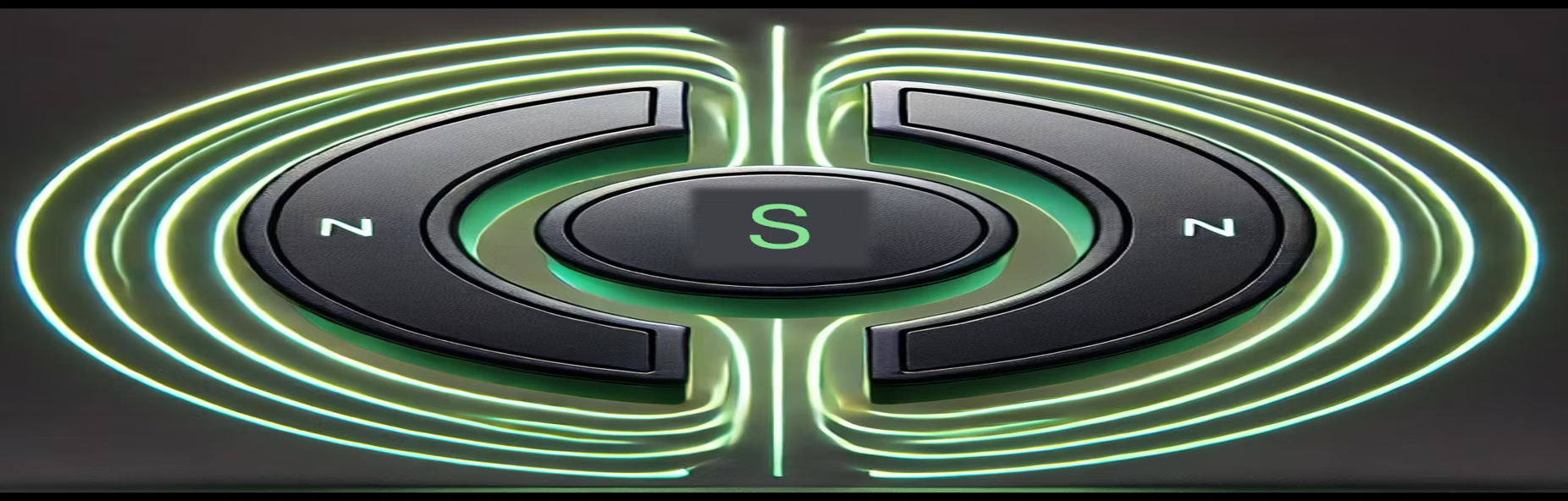
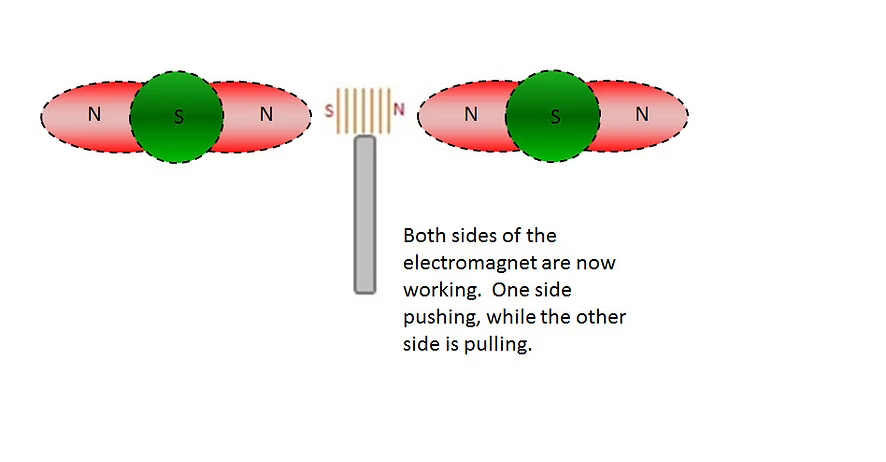
ParaNetics: Magnetic Motors for Airplane, Drones and Submersibles https://www.paranetics.com ![](https://m.stacker.news/112432) # A Magnetic Field Orientation that Changes the Fundamental Design of Electric motors. ​ ParaNetic magnet produces magnetic field distinctly different from traditional permanent or electromagnets. Unlike conventional magnets, which have a single north and south pole, a ParaNetic magnet features a unique polarity configuration: it can generate two north poles with a south pole sandwiched between them, or two south poles with a north pole in between. This is described as a "virtual" or "projected" magnet, meaning it’s not a physical object in the traditional sense but rather a magnetic field effect created by a specific arrangement of electromagnets or permanent magnets..​ ![](https://m.stacker.news/112433) ​​​​​​​​​​​​​​​​​​​​​​​ This unusual three-pole structure allows the ParaNetic magnet to interact with magnetic fields in ways standard magnets cannot. For example, objects can pass completely through its magnetic field, including the transition points where the poles switch, which isn’t possible with typical magnets where these boundaries are internal. This property, along with the ability to link multiple ParaNetic magnets in linear or circular layouts, forms the basis for advanced applications like the ParaNetic electric motor. ![](https://m.stacker.news/112434) ​​​​​​​​​​​​​​​​​​​​​​​​ParaNetic motors leverages both sides of the rotor and stator magnetic fields simultaneously, boosting efficiency, torque, and performance while reducing heat compared to conventional designs. The ParaNetic magnet’s design also enables unique functionalities, such as suspending permanent magnets at the polarity switch points with high precision, which has potential uses in valves, transducers, and even ion propulsion systems.​​​​​​​​​​​​​​