
Dana Wallet one year later: Redesign & Updates

There has been some progress in the Silent Payments development, [some other projects]( ) have implemented, others are on WIP. The ecosystem seems slowly growing at pace since [my last take on it](
 ).
Here I want to share the new [domain and website]() for Dana wallet and its latest release that include a complete redesign of the app with a new minimalistic logo. Love it! Has been long time I wanted to review again, today I finally did. Have been keeping an eye (or two) on this project for over a year now since I shared its initial screen designs
).
Here I want to share the new [domain and website]() for Dana wallet and its latest release that include a complete redesign of the app with a new minimalistic logo. Love it! Has been long time I wanted to review again, today I finally did. Have been keeping an eye (or two) on this project for over a year now since I shared its initial screen designs  .
Dana bitcoin-only wallet is keeping up as open source project and it still being maintained regularly. I noticed and appreciated the latest focus on improving the UI and UX. Here's how it tastes like receiving private silent payments:
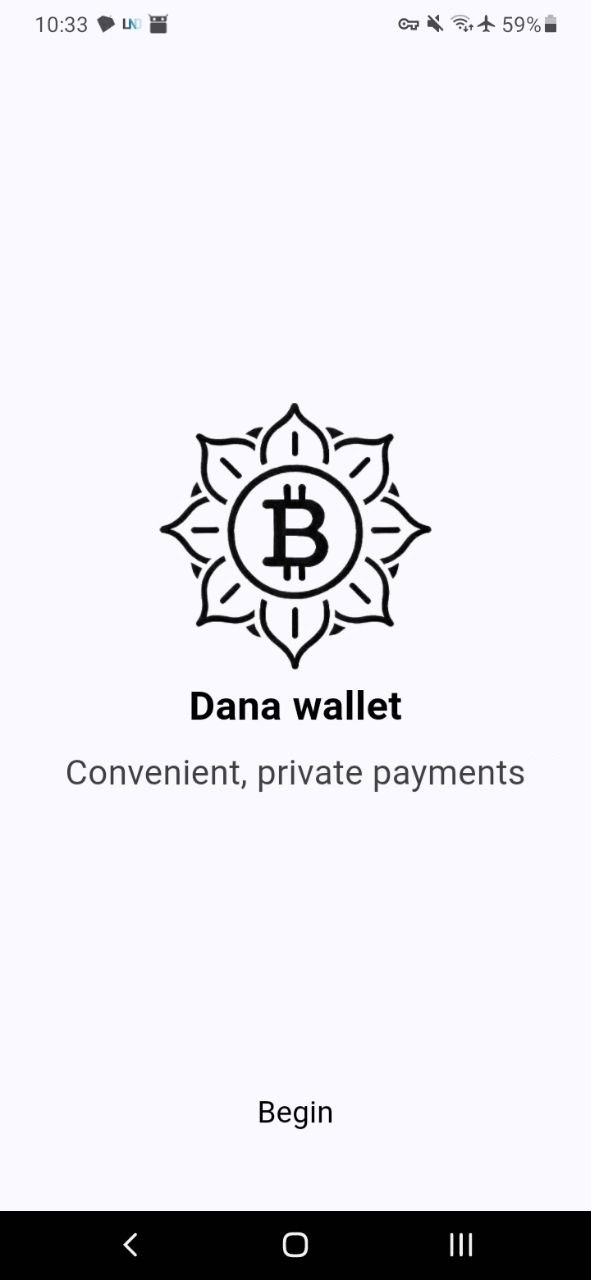
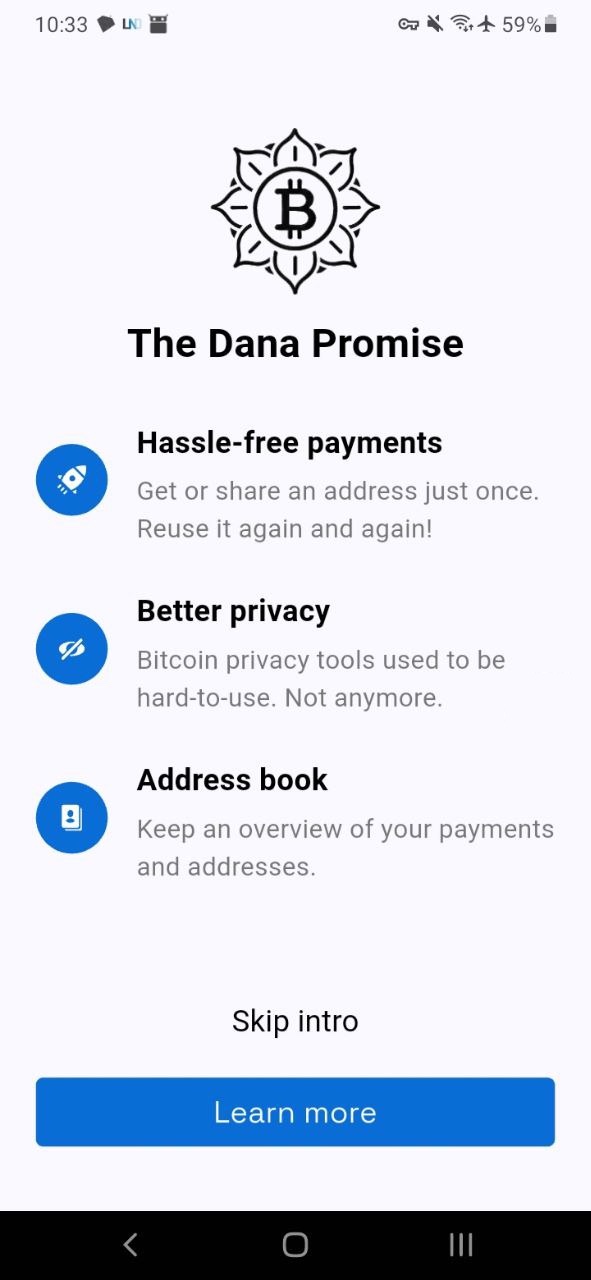
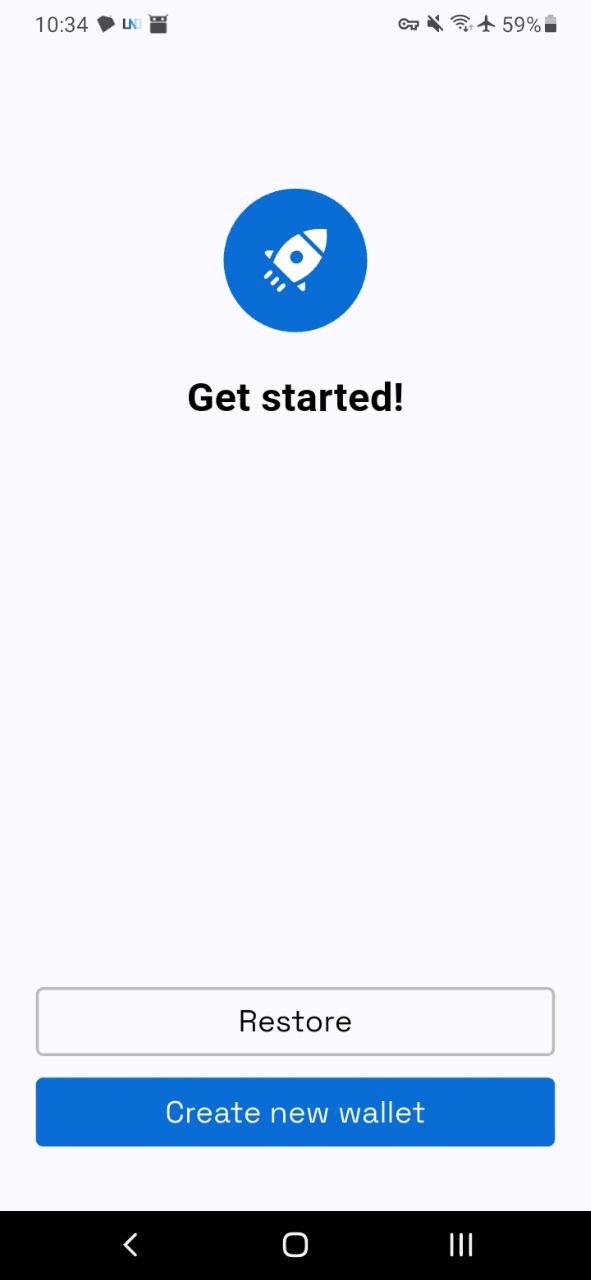
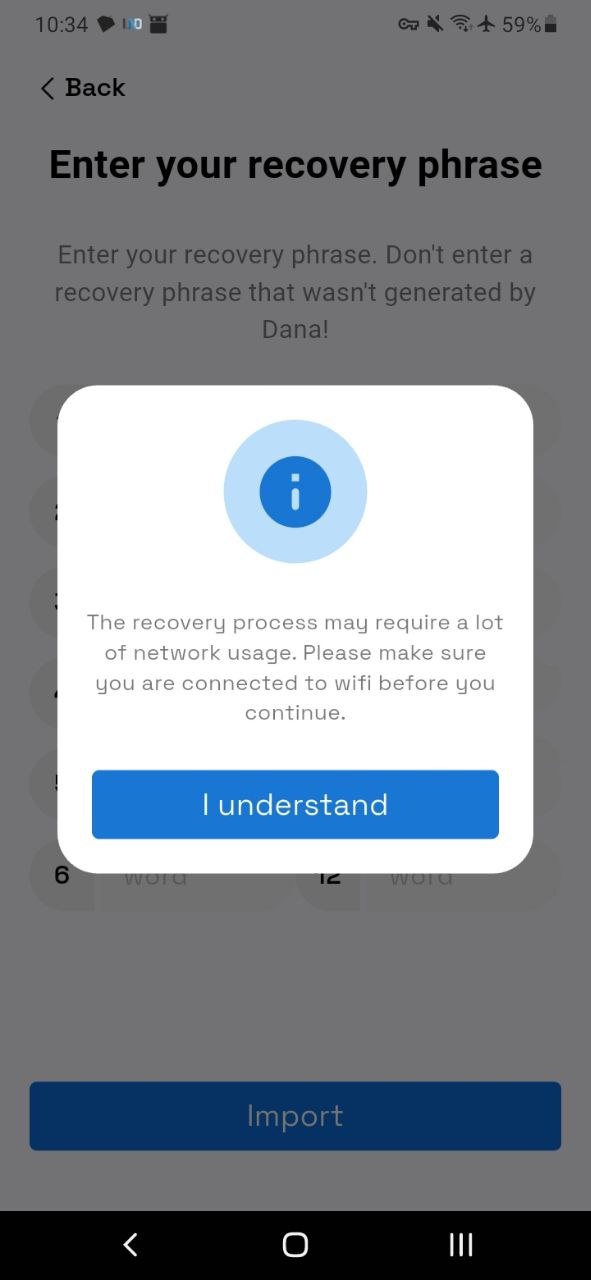
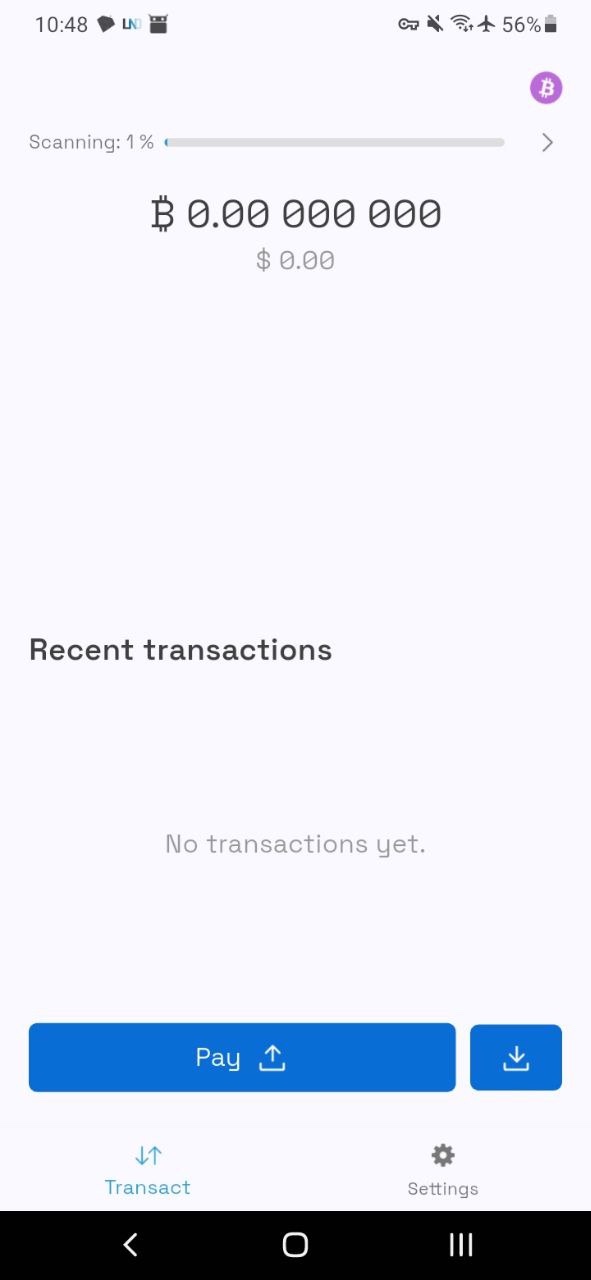
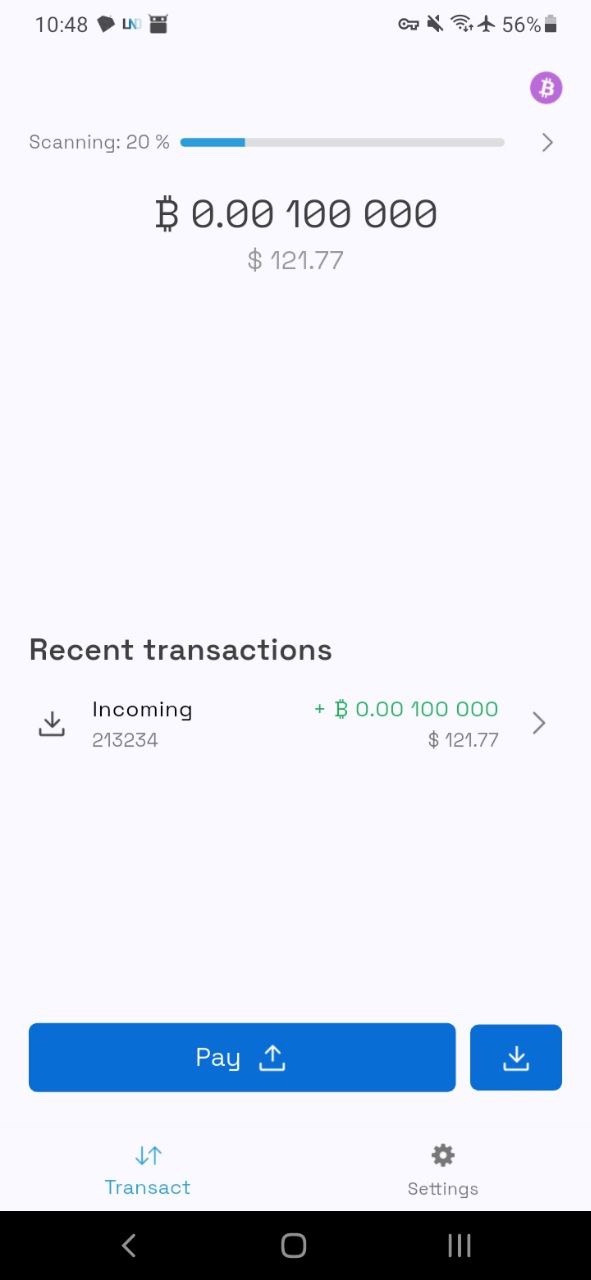
Contrary to the previous version, where user was able to switch between networks, there are now three separate apps, one for each: `mainnet`, `regtest` and `signet` separately.
Repo:
.
Dana bitcoin-only wallet is keeping up as open source project and it still being maintained regularly. I noticed and appreciated the latest focus on improving the UI and UX. Here's how it tastes like receiving private silent payments:






Contrary to the previous version, where user was able to switch between networks, there are now three separate apps, one for each: `mainnet`, `regtest` and `signet` separately.
Repo:  Fdroid Apps download https://fdroid.silentpayments.dev/fdroid/repo/
**`⚠Note:`** _importing your Dana wallet seed into Sparrow will generate a new wallet —the inverse is also true— as by default, the apps are using different oracles. Respectively `https://silentpayments.dev/blindbit/signet` and `
Fdroid Apps download https://fdroid.silentpayments.dev/fdroid/repo/
**`⚠Note:`** _importing your Dana wallet seed into Sparrow will generate a new wallet —the inverse is also true— as by default, the apps are using different oracles. Respectively `https://silentpayments.dev/blindbit/signet` and ` . Make sure the oracle url is the same in both apps_
Here's my take for now, if you feel I missed something, leave it in the comments below!
Give it a try! Here are the [faucet]() for some [signet sats]()[^4], share your `sp1` address in the comments below, and I'll send some sat. Here's mine in case you want to send some back:
signet:`tsp1qqvlkvumla3gk3ggwcz9kxj04naykcr585l9rhtk45nguy0dyhs49kqe9fn5784fz9lz6g69yud5xuwwjglxwshkta2qua3jr93g03jhsl5py3rkv`

While you are trying Dana wallet with any other SilentPayment tool, think about what you'd expect and compare it with what you experience when using it. Does the two things coincide? Or it could have been different? How?
Share how below, there's still a lot of work to make this protocol more functional and accessible to everyone. Your inputs and feedback helps a lot.
[^1]: Will work only when using the oracle `https://silentpayments.dev/blindbit/signet`
- - -

. Make sure the oracle url is the same in both apps_
Here's my take for now, if you feel I missed something, leave it in the comments below!
Give it a try! Here are the [faucet]() for some [signet sats]()[^4], share your `sp1` address in the comments below, and I'll send some sat. Here's mine in case you want to send some back:
signet:`tsp1qqvlkvumla3gk3ggwcz9kxj04naykcr585l9rhtk45nguy0dyhs49kqe9fn5784fz9lz6g69yud5xuwwjglxwshkta2qua3jr93g03jhsl5py3rkv`

While you are trying Dana wallet with any other SilentPayment tool, think about what you'd expect and compare it with what you experience when using it. Does the two things coincide? Or it could have been different? How?
Share how below, there's still a lot of work to make this protocol more functional and accessible to everyone. Your inputs and feedback helps a lot.
[^1]: Will work only when using the oracle `https://silentpayments.dev/blindbit/signet`
- - -


Dana Wallet
Stacker News
My Second Thoughts on Silent Payments \ stacker news ~bitdevs
There has been some progress in the Silent Payments development, the ecosystem seems slowly growing at pace since my First Thoughts on it, let's ha...
Stacker News
My First Thoughts on Silent Payments UX \ stacker news ~bitcoin
SilentPayments.xyz is a proposed Bitcoin payment protocol under the BIP352 that allows for greatly improved privacy. The system presented herein en...
Dana Wallet
Stacker News
DanaWallet v0.1.0-alpha Mobile Wallet for Bitcoin Donations via Silent Payments \ stacker news ~bitdevs
This wallet has been recently released, it's worth to give it a try! Dana is a Flutter app built on rust, with the main focus on receiving occasion...
GitHub
GitHub - cygnet3/danawallet: A mobile wallet for accepting bitcoin donations
A mobile wallet for accepting bitcoin donations. Contribute to cygnet3/danawallet development by creating an account on GitHub.
The Mempool Open Source Project®
Explore the full Bitcoin ecosystem with The Mempool Open Source Project®. See the real-time status of your transactions, get network info, and more.
Alt Signet Faucet
Bitcoin Silent-Payment Faucet
Stacker News
Dana Wallet one year later: Redesign & Updates \ stacker news ~Design
There has been some progress in the Silent Payments development, some other projects have implemented, others are on WIP. The ecosystem seems slowl...