How I Preserve My Wealth With Bitcoin
Konstantin Rabin
May 27, 2023
“I will explain why I allocate a share of my wealth to bitcoin and how I see it as ideal for preserving the value of my net worth.”
 This is an opinion editorial by Konstantin Rabin, a finance and technology writer.
Good ol’ bitcoin, the granddaddy of cryptocurrency, is increasingly being used as a reliable store of value for those looking to move away from the more established asset classes as it is continually proving itself as a solid hedge against inflation [1].
In fact, this is something I have been doing for some time now and, in this article, I will explain why I allocate a share of my wealth to bitcoin and how I see it as ideal for preserving the value of my net worth.
Why Allocate A Share Of Your Wealth To Bitcoin?
Despite the volatility and fear-mongering that is prevalently posterized when talking about bitcoin as a revolutionary investment vehicle, there is plenty to be said about why it is a valid contender in this market. It should be noted that no investor worth their salt would tell you to put your life savings into crypto, but there is plenty of upside potential for those looking to make long-term returns or preserve a portion of their wealth this way.
Let me just mention a few of these advantages that make this investment in bitcoin worth looking more deeply into:
Alternative store of value: Bitcoin is as good as it gets when looking for a store of value outside of third-party manipulation. Being decentralized means that it circumvents many of the red-tape aspects and fees that come with leaving your money in the hands of financial institutions. As a result, it is not subject to the same inflationary pressures that are so prevalent with companies operating in the government-controlled fiat currency system.
Potential for long-term growth: There is no doubt that bitcoin's value is extremely volatile in the short term, but its long-term trend has historically been a fairly bullish affair. The idea of HODLing [2] comes into play here, as you will really only be able to see the true value of your investment when ignoring the spikes and holding on for dear life.
Diversification: As I said before, investing in bitcoin does not mean that you dump all of your hard-earned eggs into the chaotic basket that is crypto, but you can provide some much-needed, future-oriented diversification for your investment portfolio. As bitcoin's price is increasingly uncorrelated to those of traditional assets [3], such as stocks and bonds, adding some of these digital coins to your portfolio can help spread out the overall risks that your investments might face from the old guard. In fact, what we have seen over the past few years is that bitcoin has become a new sort of semi-safe-haven asset class which many investors flock to the moment that old-school investment vehicles and fiat currencies come under pressure.
Accessibility: This goes down two lanes. On the one side, investing in bitcoin is becoming easier to do [4], with many platforms and exchanges now offering a simple and secure way to buy and hold your BTC; while at the same time, it has never been easier to liquidate this asset and get fiat cash in hand when the need arises. This scores a massive point over the stock, bond or real estate markets, which are forever plagued by liquidity issues; especially in times of large-scale financial instability.
In the long run, spending a share of your income on BTC is unlikely to make you poor. On the flip side, not allocating anything to BTC might ruin your prosperity, especially in these uncertain times when banks can go bust without warning [5], inflation seems to be ever on the rise [6] and several countries witness their fiat currencies turn into toilet paper [7].
Why I Don’t Buy Or Mine BTC
In the pursuit of acquiring bitcoin, there are always the obvious channels of hitting up some form of cryptocurrency exchange or peer-to-peer marketplace and just exchanging fiat for BTC. While there is nothing wrong with this approach, and it might be the easiest and perhaps the only option for many people out there, it is, in my humble opinion, not the best way to get your coins for wealth preservation.
You could instead go the route of the miner and spend a large fortune on buying all the equipment needed to try and get some BTC that way, but in this day and age with the average mining cost per coin being over $30,000 in many countries [8], it is more likely that you will end up with zilch long before you ever mine your first coin.
So, what would I suggest? Earn it.
Sure, not everyone can convince their boss to pay them in bitcoin, but these days, many people have a side hustle that can easily be employed in generating some digital dosh. Five years ago, offering your clients the ability to pay in crypto for your services was a nonexistent concept, but today, it is a no-brainer [9]. Right now, a large number of my clients, especially those operating in the online world, are really into paying for services via crypto. While most of them like to use stablecoins such as USDT, you can easily flip these over to BTC and keep padding your Bitcoin wallet.
One more notable online activity that I partake in to stack some BTC is for the over-18-year-olds only. No, I don’t mean OnlyFans. I do some work in and around the gambling industry and also enjoy a bit of a gamble myself from time to time, but I solely gamble for BTC.
Bitcoin betting sites have been gaining traction lately [10], thanks to their ability to protect privacy, offer deals (e.g., bonuses, commissions, etc.) and general improvements over the annoying bureaucracy inherent in fiat betting sites. Obviously, I don't recommend gambling to anyone, but this is something I enjoy occasionally, such as when my favorite UFC fighter jumps into the octagon, as it adds a bit of excitement while watching the fights, and obviously, the winnings are added to my wealth-preservation BTC fund.
My BTC Wealth Preservation Strategy
You might be wondering why I am hammering on bitcoin and not paying much heed to the rest of the crypto pack. Frankly, as most of the top tokens are following the bitcoin price like a donkey chasing a carrot [11], I don’t typically diversify things or allocate a share of my crypto investments into other major coins and tokens. Don’t get me wrong, I believe that some of the cryptocurrencies out there are useful, but, as bitcoin is what determines the value of many of the top dogs on the list, sticking with BTC as my investment coin just makes sense. (For those keen on diversifying into other crypto projects, I do have one bit of advice; stay away from meme and shitcoins [12].)
Now, let’s get down to business. Here is my advice for preserving wealth via bitcoin based on my own strategy:
Plan: Whether you are investing with fiat currencies that you get from working a day job or getting paid directly in crypto via your own projects, make sure to have a well-defined goal. Set certain annual or even quarterly amounts that you would like to reach and try your best to make it happen.
Don't panic: Always work on increasing your BTC holdings and be ready to HODL until kingdom comes. Don't pay much attention to the fiat value and don't panic sell just because you see some of those crazy price swings that bitcoin is so famous for. It is all good and well to compare exchanges and cryptocurrencies, but do not sit there stressing about where the price of BTC is sitting. Short-term dips are bound to come and go, but if you believe in BTC as much as I do, then you can rest assured that your wealth is being preserved. Keep in mind that there are only 21M BTC available, ever. As this is a finite supply and the world's population is close to eight billion [13], with more people being added every day, the value of this asset is sure to increase over time as more governments and people take hold of this new shift in finance. If and when fiat finally goes completely bust and bitcoin takes over as the major currency, an average BTC per capita in the world is going to be around 0.0025, and you most certainly want to be in the top 5% of those holding it.
Keep it secure: Bitcoin is digital, and hackers are always on the lookout for those who are not keeping a watchful eye on their money. So, to preserve my wealth safely, I keep all of my bitcoin holdings in hardware wallets stashed in a safe place. There are plenty of good exchanges and hot wallets to choose from, but if you are serious about preserving your wealth, keep it cold, keep it offline.
Why You Shouldn’t Wait To Diversify
Allocating a portion of your wealth to bitcoin can be an effective way to preserve it, and even grow it, but as the saying goes, “the best time to start is yesterday, the second best time is now.”
Don’t wait for BTC to hit $50,000 [14] before you suddenly wake up and start buying in. Set up a plan today and start diversifying your portfolio in this future-proof asset class, so you know your wealth is safe, no matter how bad your government might be.
This is a guest post by Konstantin Riban. Opinions expressed are entirely their own and do not necessarily reflect those of BTC Inc or Bitcoin Magazine.
Links:
[1]
This is an opinion editorial by Konstantin Rabin, a finance and technology writer.
Good ol’ bitcoin, the granddaddy of cryptocurrency, is increasingly being used as a reliable store of value for those looking to move away from the more established asset classes as it is continually proving itself as a solid hedge against inflation [1].
In fact, this is something I have been doing for some time now and, in this article, I will explain why I allocate a share of my wealth to bitcoin and how I see it as ideal for preserving the value of my net worth.
Why Allocate A Share Of Your Wealth To Bitcoin?
Despite the volatility and fear-mongering that is prevalently posterized when talking about bitcoin as a revolutionary investment vehicle, there is plenty to be said about why it is a valid contender in this market. It should be noted that no investor worth their salt would tell you to put your life savings into crypto, but there is plenty of upside potential for those looking to make long-term returns or preserve a portion of their wealth this way.
Let me just mention a few of these advantages that make this investment in bitcoin worth looking more deeply into:
Alternative store of value: Bitcoin is as good as it gets when looking for a store of value outside of third-party manipulation. Being decentralized means that it circumvents many of the red-tape aspects and fees that come with leaving your money in the hands of financial institutions. As a result, it is not subject to the same inflationary pressures that are so prevalent with companies operating in the government-controlled fiat currency system.
Potential for long-term growth: There is no doubt that bitcoin's value is extremely volatile in the short term, but its long-term trend has historically been a fairly bullish affair. The idea of HODLing [2] comes into play here, as you will really only be able to see the true value of your investment when ignoring the spikes and holding on for dear life.
Diversification: As I said before, investing in bitcoin does not mean that you dump all of your hard-earned eggs into the chaotic basket that is crypto, but you can provide some much-needed, future-oriented diversification for your investment portfolio. As bitcoin's price is increasingly uncorrelated to those of traditional assets [3], such as stocks and bonds, adding some of these digital coins to your portfolio can help spread out the overall risks that your investments might face from the old guard. In fact, what we have seen over the past few years is that bitcoin has become a new sort of semi-safe-haven asset class which many investors flock to the moment that old-school investment vehicles and fiat currencies come under pressure.
Accessibility: This goes down two lanes. On the one side, investing in bitcoin is becoming easier to do [4], with many platforms and exchanges now offering a simple and secure way to buy and hold your BTC; while at the same time, it has never been easier to liquidate this asset and get fiat cash in hand when the need arises. This scores a massive point over the stock, bond or real estate markets, which are forever plagued by liquidity issues; especially in times of large-scale financial instability.
In the long run, spending a share of your income on BTC is unlikely to make you poor. On the flip side, not allocating anything to BTC might ruin your prosperity, especially in these uncertain times when banks can go bust without warning [5], inflation seems to be ever on the rise [6] and several countries witness their fiat currencies turn into toilet paper [7].
Why I Don’t Buy Or Mine BTC
In the pursuit of acquiring bitcoin, there are always the obvious channels of hitting up some form of cryptocurrency exchange or peer-to-peer marketplace and just exchanging fiat for BTC. While there is nothing wrong with this approach, and it might be the easiest and perhaps the only option for many people out there, it is, in my humble opinion, not the best way to get your coins for wealth preservation.
You could instead go the route of the miner and spend a large fortune on buying all the equipment needed to try and get some BTC that way, but in this day and age with the average mining cost per coin being over $30,000 in many countries [8], it is more likely that you will end up with zilch long before you ever mine your first coin.
So, what would I suggest? Earn it.
Sure, not everyone can convince their boss to pay them in bitcoin, but these days, many people have a side hustle that can easily be employed in generating some digital dosh. Five years ago, offering your clients the ability to pay in crypto for your services was a nonexistent concept, but today, it is a no-brainer [9]. Right now, a large number of my clients, especially those operating in the online world, are really into paying for services via crypto. While most of them like to use stablecoins such as USDT, you can easily flip these over to BTC and keep padding your Bitcoin wallet.
One more notable online activity that I partake in to stack some BTC is for the over-18-year-olds only. No, I don’t mean OnlyFans. I do some work in and around the gambling industry and also enjoy a bit of a gamble myself from time to time, but I solely gamble for BTC.
Bitcoin betting sites have been gaining traction lately [10], thanks to their ability to protect privacy, offer deals (e.g., bonuses, commissions, etc.) and general improvements over the annoying bureaucracy inherent in fiat betting sites. Obviously, I don't recommend gambling to anyone, but this is something I enjoy occasionally, such as when my favorite UFC fighter jumps into the octagon, as it adds a bit of excitement while watching the fights, and obviously, the winnings are added to my wealth-preservation BTC fund.
My BTC Wealth Preservation Strategy
You might be wondering why I am hammering on bitcoin and not paying much heed to the rest of the crypto pack. Frankly, as most of the top tokens are following the bitcoin price like a donkey chasing a carrot [11], I don’t typically diversify things or allocate a share of my crypto investments into other major coins and tokens. Don’t get me wrong, I believe that some of the cryptocurrencies out there are useful, but, as bitcoin is what determines the value of many of the top dogs on the list, sticking with BTC as my investment coin just makes sense. (For those keen on diversifying into other crypto projects, I do have one bit of advice; stay away from meme and shitcoins [12].)
Now, let’s get down to business. Here is my advice for preserving wealth via bitcoin based on my own strategy:
Plan: Whether you are investing with fiat currencies that you get from working a day job or getting paid directly in crypto via your own projects, make sure to have a well-defined goal. Set certain annual or even quarterly amounts that you would like to reach and try your best to make it happen.
Don't panic: Always work on increasing your BTC holdings and be ready to HODL until kingdom comes. Don't pay much attention to the fiat value and don't panic sell just because you see some of those crazy price swings that bitcoin is so famous for. It is all good and well to compare exchanges and cryptocurrencies, but do not sit there stressing about where the price of BTC is sitting. Short-term dips are bound to come and go, but if you believe in BTC as much as I do, then you can rest assured that your wealth is being preserved. Keep in mind that there are only 21M BTC available, ever. As this is a finite supply and the world's population is close to eight billion [13], with more people being added every day, the value of this asset is sure to increase over time as more governments and people take hold of this new shift in finance. If and when fiat finally goes completely bust and bitcoin takes over as the major currency, an average BTC per capita in the world is going to be around 0.0025, and you most certainly want to be in the top 5% of those holding it.
Keep it secure: Bitcoin is digital, and hackers are always on the lookout for those who are not keeping a watchful eye on their money. So, to preserve my wealth safely, I keep all of my bitcoin holdings in hardware wallets stashed in a safe place. There are plenty of good exchanges and hot wallets to choose from, but if you are serious about preserving your wealth, keep it cold, keep it offline.
Why You Shouldn’t Wait To Diversify
Allocating a portion of your wealth to bitcoin can be an effective way to preserve it, and even grow it, but as the saying goes, “the best time to start is yesterday, the second best time is now.”
Don’t wait for BTC to hit $50,000 [14] before you suddenly wake up and start buying in. Set up a plan today and start diversifying your portfolio in this future-proof asset class, so you know your wealth is safe, no matter how bad your government might be.
This is a guest post by Konstantin Riban. Opinions expressed are entirely their own and do not necessarily reflect those of BTC Inc or Bitcoin Magazine.
Links:
[1]  [2]
[2]  [3]
[3]  [4] https://www.forbes.com/sites/qai/2023/02/14/how-to-invest-in-bitcoin-for-beginners/?sh=25ed62097697
[5] https://www.reuters.com/business/finance/what-caused-silicon-valley-banks-failure-2023-03-10/
[6]
[4] https://www.forbes.com/sites/qai/2023/02/14/how-to-invest-in-bitcoin-for-beginners/?sh=25ed62097697
[5] https://www.reuters.com/business/finance/what-caused-silicon-valley-banks-failure-2023-03-10/
[6]  [7]
[7]  [8]
[8] 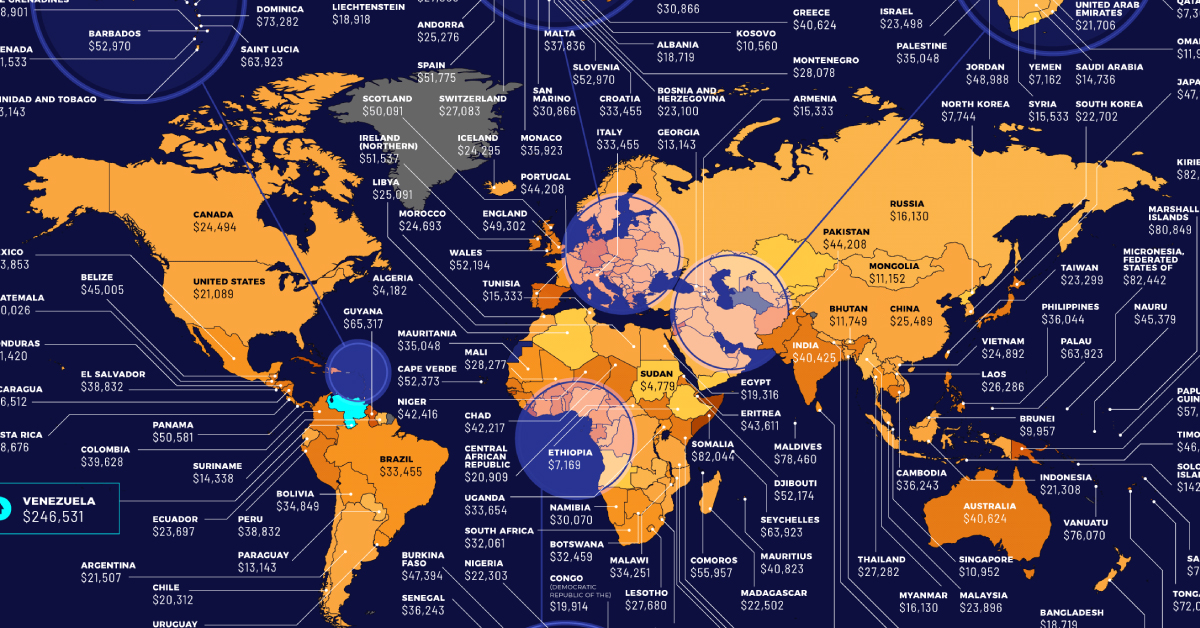 [9]
[9] 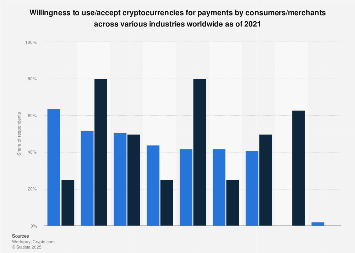 [10]
[10]  [11]
[11]  [12]
[12]  [13]
[14]
[13]
[14] 
Bitcoin Magazine
How I Preserve My Wealth With Bitcoin
“I will explain why I allocate a share of my wealth to bitcoin and how I see it as ideal for preserving the value of my net worth.”
Bitcoin Magazine
Bitcoin Surges To Record Highs As US Inflation Soars
Bitcoin touched $69,000 today as inflation data showed the highest annual jump in CPI since 1990.
Investopedia
Understanding HODL: How "Hold On for Dear Life" Shapes Crypto Investing
Discover how HODL, the buy-and-hold mantra for crypto enthusiasts, became a guiding philosophy for long-term Bitcoin and cryptocurrency investing.
CNBC
Bitcoin’s correlation with stocks is at its lowest since 2021 as investors grapple with the cryptocurrency's narrative shift
Bitcoin is on pace to post its third positive month in a row, but its narrative has been on a wild ride over the past few weeks.
IMF
How Food and Energy are Driving the Global Inflation Surge
Global inflation was generally moderating when the pandemic began, and the downward trend continued into the early months of the crisis. But surgin...
Bitcoin Magazine
Bitcoin Is The Lifeline Argentina Desperately Needs
Facing inflation, rising interest rates and reliance on the U.S. dollar, Argentina could solve many of its problems with Bitcoin adoption.
Visual Capitalist
The Cost of Mining Bitcoin in 198 Different Countries
Mining bitcoin is costly. But the exact price fluctuates, depending on the location and the cost of electricity in the area.
Statista
Crypto payment interest, by industry| Statista
More than *** out of 10 consumers in late 2021 hoped to use crypto as a payment method on travel, whereas merchants focused on luxury goods.
cryptobetting
How The Online Gambling Industry Grew Over Years
Online casinos have become extremely popular in the last 10 years. People enjoy betting on sports and other games with multiple digital coins
City AM
Price of Bitcoin slips as other cryptocurrencies follow suit
The price of Bitcoin fell below $28,000 over the weekend and was trading around $27,600 this morning as the markets turn
Investopedia
Understanding Shitcoin: Altcoins of Little to No Value
Discover what makes a cryptocurrency a "shitcoin." Learn why these altcoins lack value and how they succumb to speculation and price nosedives.
Population Clock: World
Fortune
Bitcoin to rally past $50,000 due to halving process, say crypto analysts | Fortune
Bitcoin hit records after each of the last three halvings, part of the process of capping supply at 21 million tokens.


 Source: Hashrate Index
[
Source: Hashrate Index
[
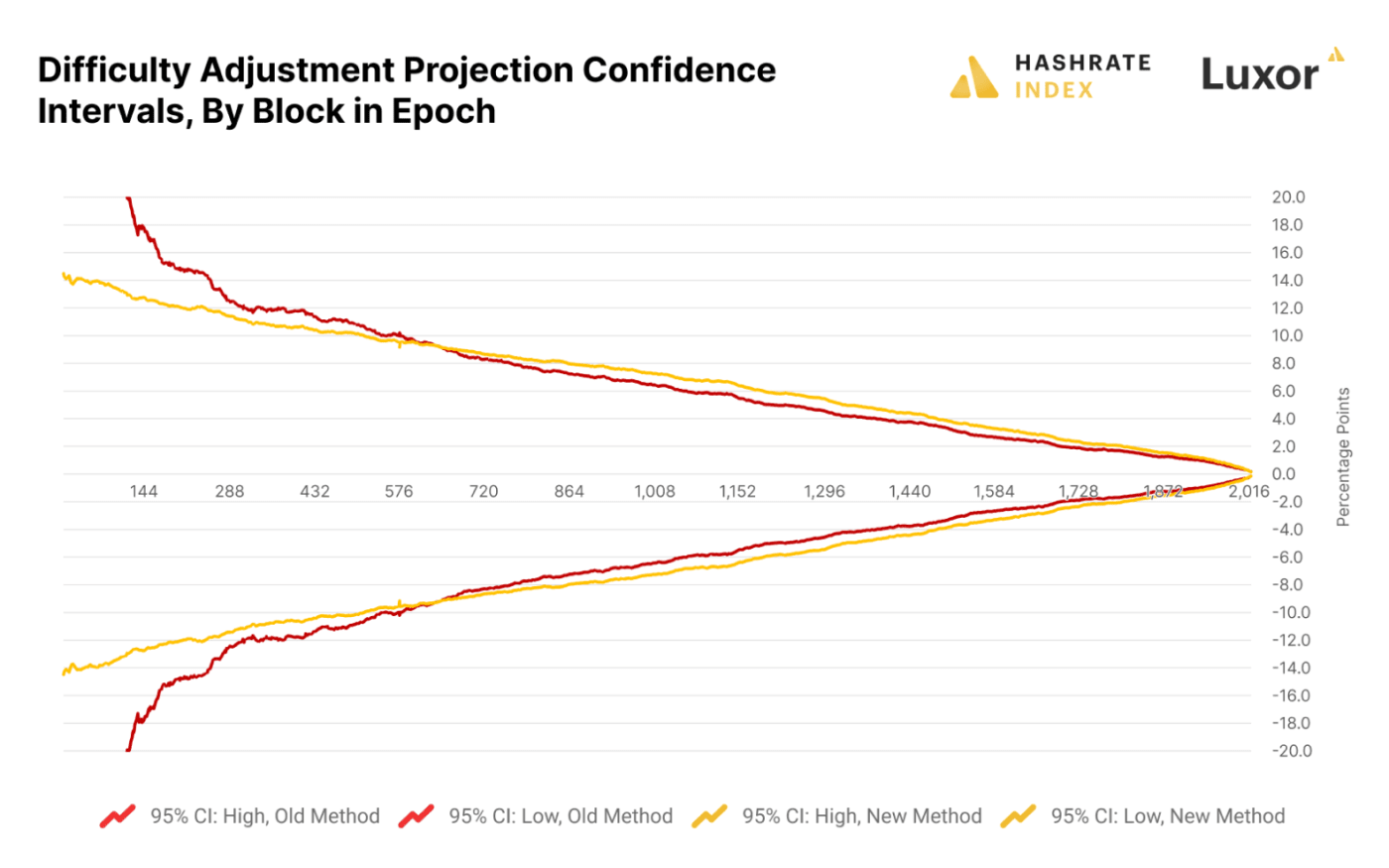 [Difficulty forecast confidence intervals. Sources: Luxor, Hashrate Index.]
This forecast, of course, is only for projecting the next difficulty adjustment. What if we wanted to forecast, say, a year into the future?
Long-Term Bitcoin Mining Difficulty Forecasting
Luxor has developed models for long-term difficulty forecasting [6], as well, but these models are obviously much more complex, since they span a longer time frame.
Our model takes the bitcoin price, transaction fees and block subsidy as inputs on the demand side, and internal data on ASIC production estimates and operating cost distributions across the industry on the supply side. Using these inputs, the model produces an equilibrium hash rate, difficulty and hash price for 18-month periods.
The model structure reflects reality; hash rate, difficulty and hash price are endogenous to the system, not exogenous determinants of one another. We can conduct sensitivity analyses with the model across all inputs as well. For example, we can forecast an equilibrium hash rate, difficulty, and hash price across a range of bitcoin prices.
The charts below present projections from our updated hash rate supply and demand model. It provides estimates for flat, bull and bear bitcoin price scenarios.
[Difficulty forecast confidence intervals. Sources: Luxor, Hashrate Index.]
This forecast, of course, is only for projecting the next difficulty adjustment. What if we wanted to forecast, say, a year into the future?
Long-Term Bitcoin Mining Difficulty Forecasting
Luxor has developed models for long-term difficulty forecasting [6], as well, but these models are obviously much more complex, since they span a longer time frame.
Our model takes the bitcoin price, transaction fees and block subsidy as inputs on the demand side, and internal data on ASIC production estimates and operating cost distributions across the industry on the supply side. Using these inputs, the model produces an equilibrium hash rate, difficulty and hash price for 18-month periods.
The model structure reflects reality; hash rate, difficulty and hash price are endogenous to the system, not exogenous determinants of one another. We can conduct sensitivity analyses with the model across all inputs as well. For example, we can forecast an equilibrium hash rate, difficulty, and hash price across a range of bitcoin prices.
The charts below present projections from our updated hash rate supply and demand model. It provides estimates for flat, bull and bear bitcoin price scenarios.
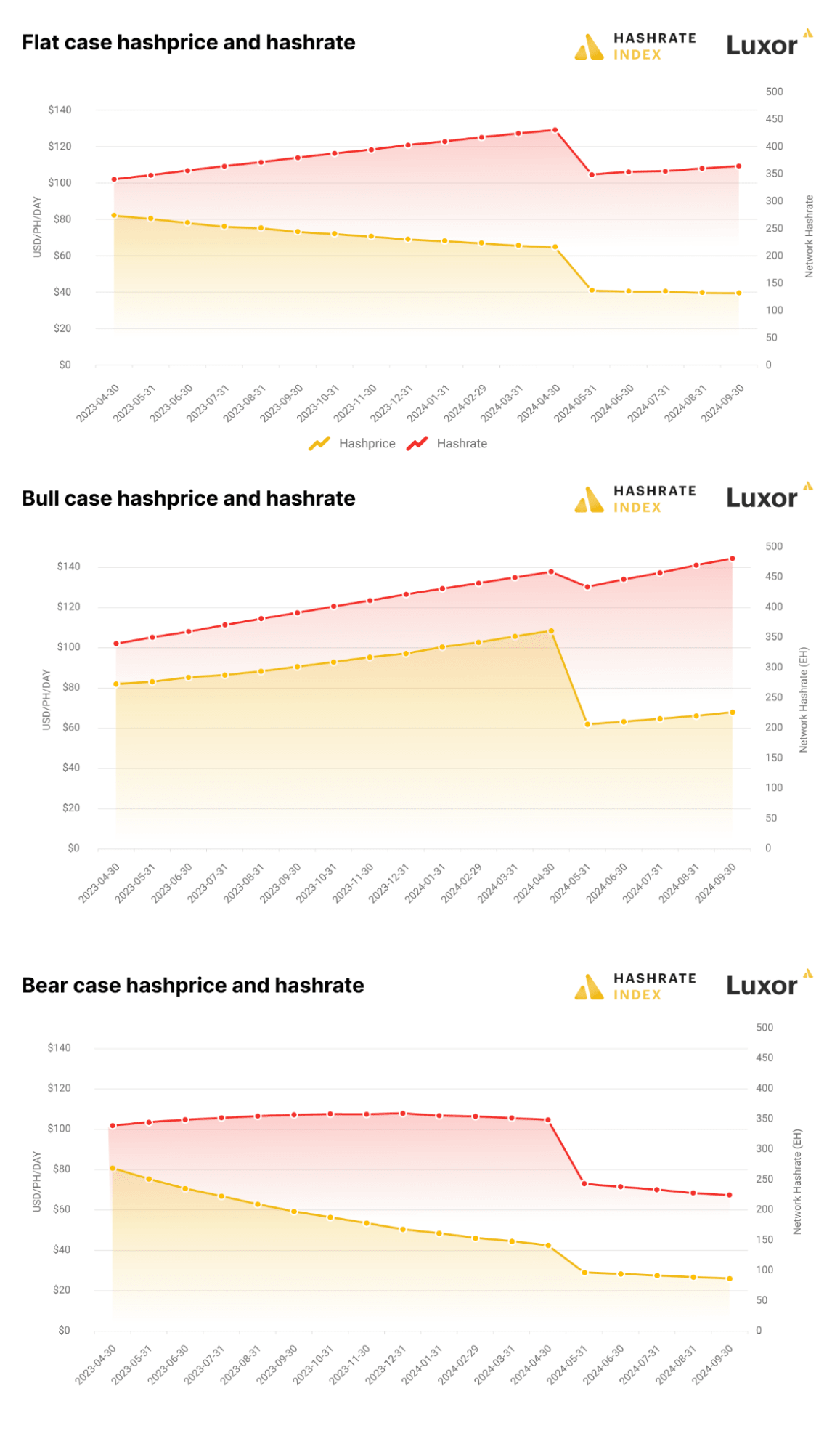 [Flat, bull and bear scenarios for hash rate and hash price. Sources: Luxor, Hashrate Index.]
Hash Rate, Difficulty And Hash Price Projection Updates
Hash rate is an emerging asset class and digital commodity market. Hash rate market participants like Bitcoin miners, hosters, lenders, investors and traders need access to the rigorous economic analysis and data available in other commodity markets.
Luxor will be committed to providing this analysis and forecasting on a quarterly basis. If you’d like to learn more, please visit this post [7].
Links:
[1]
[Flat, bull and bear scenarios for hash rate and hash price. Sources: Luxor, Hashrate Index.]
Hash Rate, Difficulty And Hash Price Projection Updates
Hash rate is an emerging asset class and digital commodity market. Hash rate market participants like Bitcoin miners, hosters, lenders, investors and traders need access to the rigorous economic analysis and data available in other commodity markets.
Luxor will be committed to providing this analysis and forecasting on a quarterly basis. If you’d like to learn more, please visit this post [7].
Links:
[1]