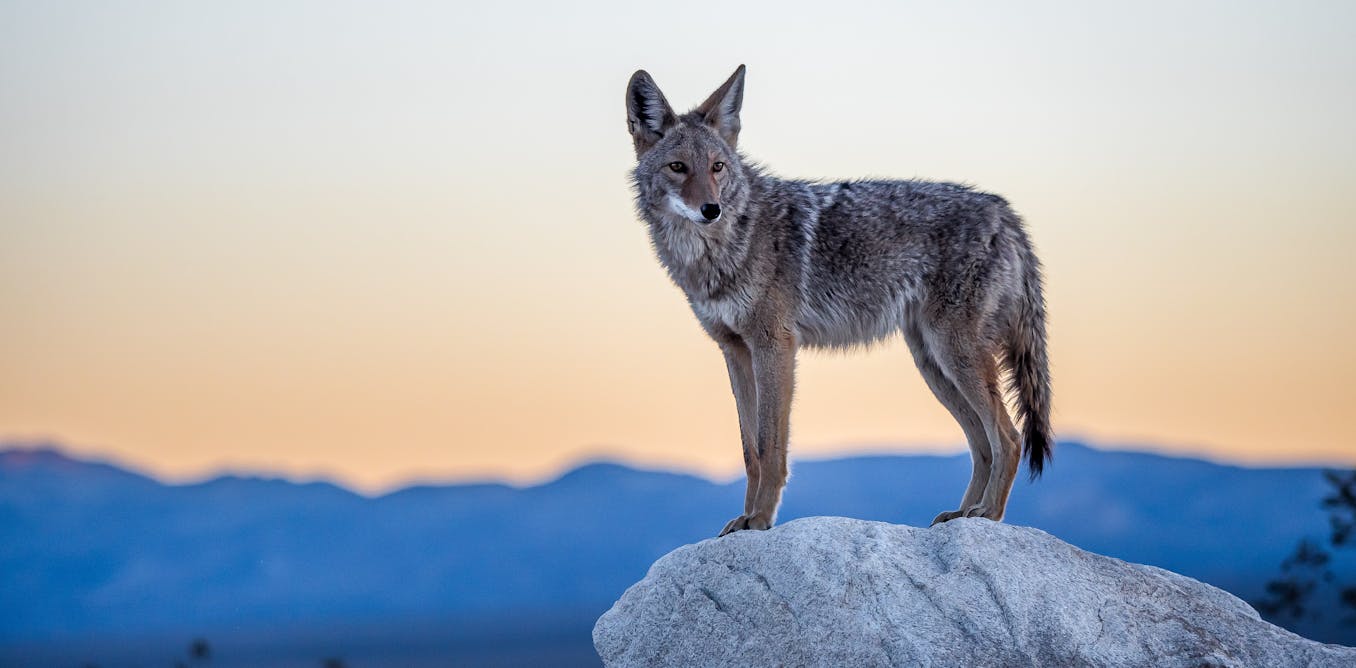
Wolves and coyotes feed on similar things โ€“ but their diets arenโ€™t identical. An ecological researcher studied predator diets to find out the differences.
Gas stove manufacturers are suing Colorado over new warning labels similar to cigarette warnings. The industry claims the labels are "scientifically controversial," but medical organizations say the evidence linking gas stoves to respiratory illness is clear.
What if working fewer days actually works better? 4-day workweek trials show lower burnout, better work-life balance and no productivity loss.
The US government has started modifying a childhood vaccine schedule built on decades of rigorous testing. Vaccinations have succeeded in making the targeted diseases so rare that many parents have never seen them, explains an infectious disease physician.
A former Air Force judge explains why a court martial of Sen. Mark Kelly would strip him of key constitutional protections, and why military justice operates under very different rules than civilian courts.
More than half of people with schizophrenia in a recent study linked their delusions to modern technology, with hacked phone and social media algorithms replacing worries about spies and radio waves.
The #iwasfifteen hashtag and ongoing Epstein coverage show how traffickers exploit the vulnerabilities of teens and tweens. A clinical psychologist who studies intimate violence and child exploitation explains:
Trump is far from the first president to be deeply skeptical of the academic research community. But his actions this year went far beyond the precedent.
Nearly all school shooters are current or former students already familiar with the building. So locking doors may actually trap potential victims with the attacker. A criminal justice scholar explains why schools need to focus on noticing warning signs instead.
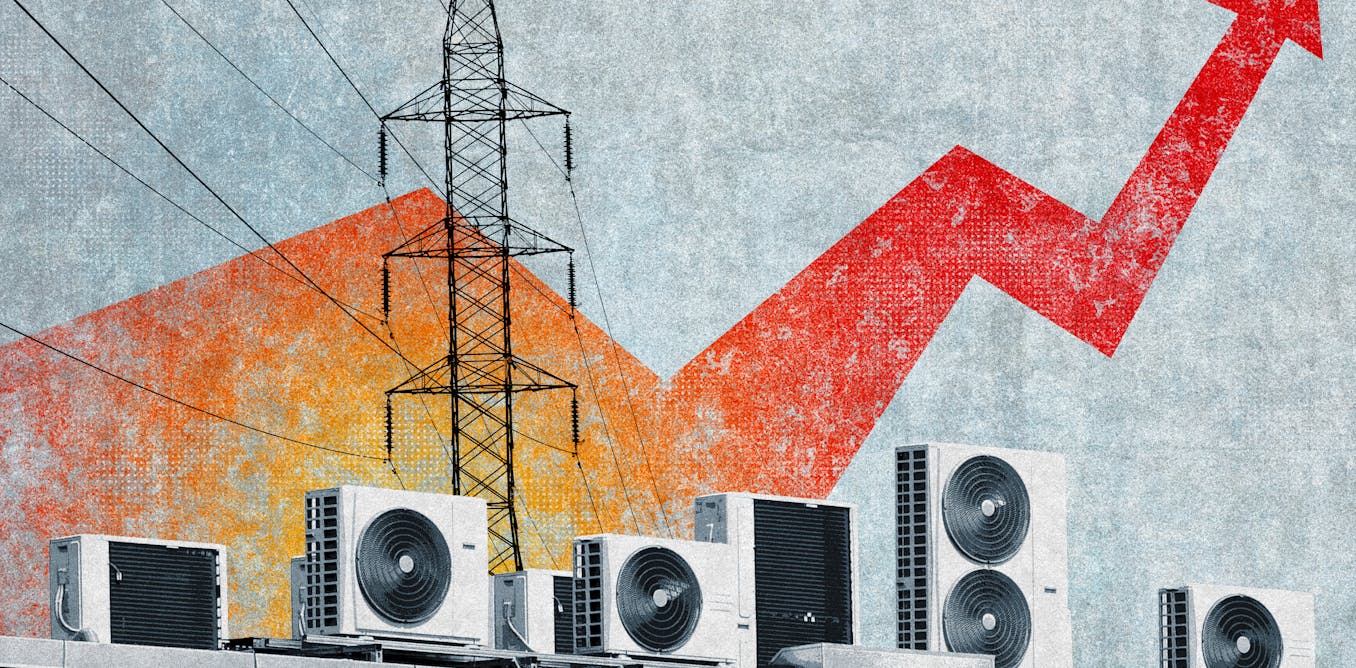
U.S. electricity prices rose 7.4% in just one year, and energy policy analysts expect them to keep climbing faster than inflation in 2026. Meanwhile, data centers powering AI could nearly triple their energy use by 2030.