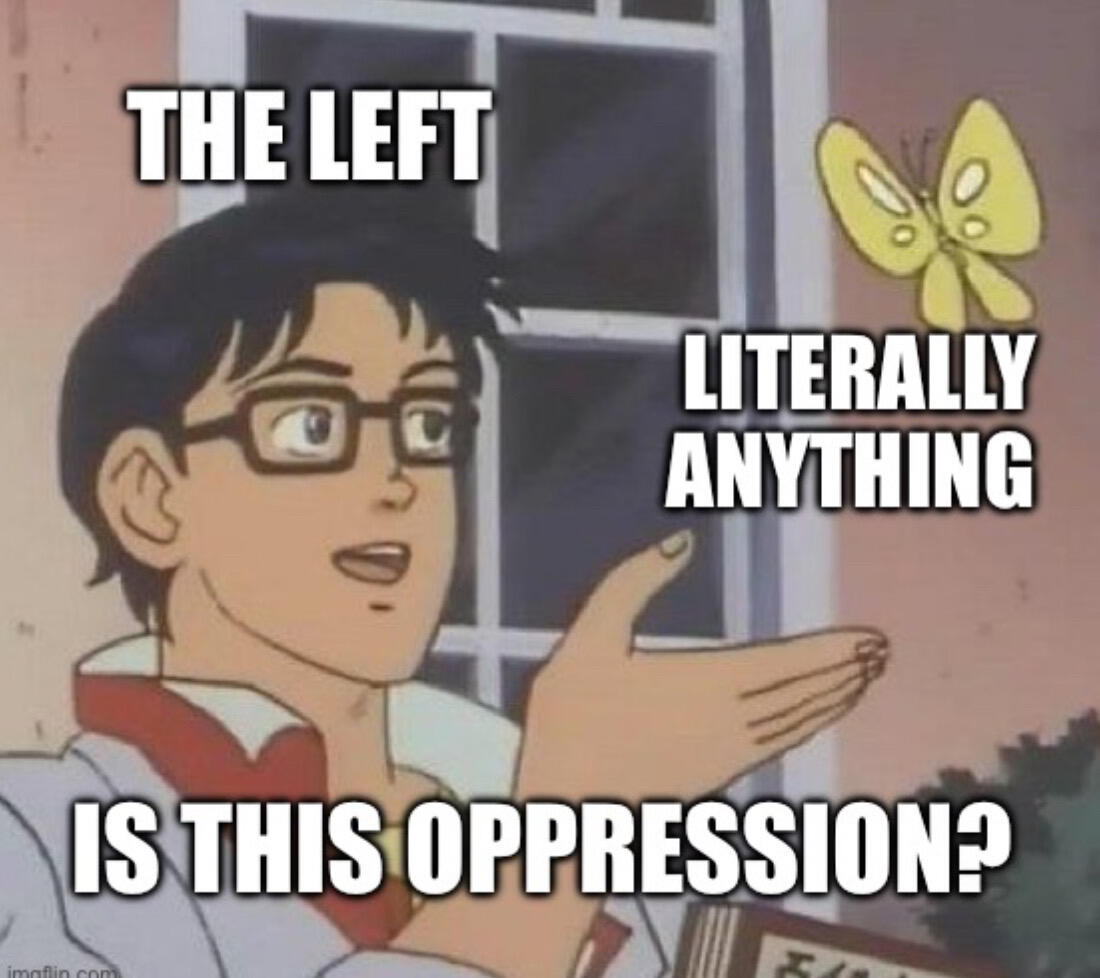
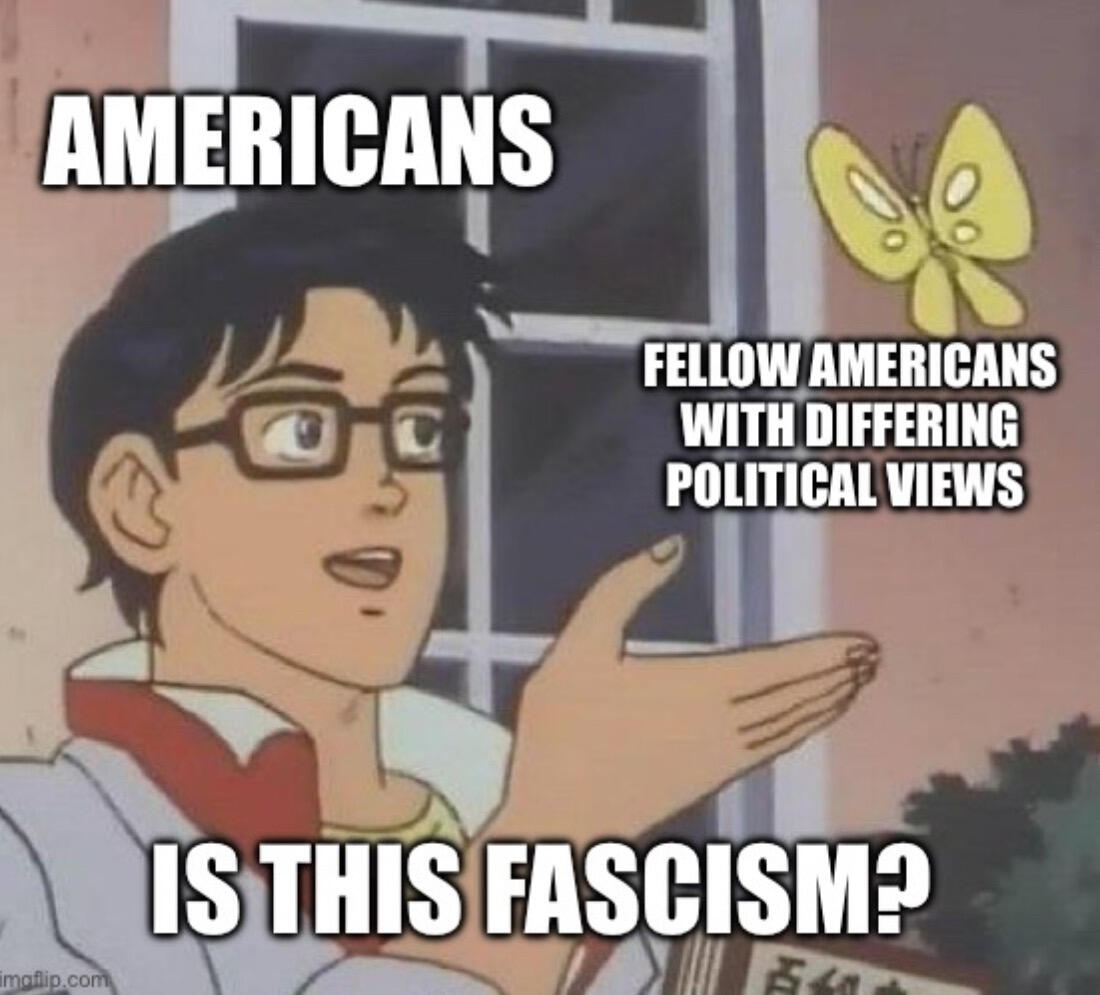
“I saw the best minds of my generation nuked by incendiary Iran-backed propaganda on the Internet, overcome, emotionally conquered, brainwashed, scrolling through the twitter streets at all hours, looking for an angry fix.
Empty-headed ‘freedom-fighters’ burning for the dark culmination of machinations they could never hope to understand, swayed, cowed by tiktok videos, inspired and levitated by verifiably false information, their minds a borderless morass of moral inversion.”
-Allen Ginsberg 2024
“The Road Not Taken” by Robert Frost is the most widely misread poem in all of poetry.
Most people think the point of the poem is that you should take the road less travelled, march to beat of your own drummer, etc.
This is a misreading.
First of all, we are repeatedly told that the two roads looked basically the same.
Some lines:
“Then took the other, as just as fair"
"Though as for that the passing there
Had worn them really about the same,"
"And both that morning equally lay"
20 line poem, about 25% of them devoted to sameness of the paths.
It matters that he took one and not the other only because choices beget choices (and, importantly, foreclose others) and this is life.
We then tend to ascribe meaning and narrative retrospectively to those choices.
The traveler laments that he can’t take both paths, have all the experiences, NOT foreclose certain choices by making others:
“And sorry I could not travel both
And be one traveler”
“I shall be telling this with a sigh
Somewhere ages and ages hence,” the traveler tells us. And when he does, he will ascribe meaning to his choices. He will say he took the one less travelled (even though they were the same) and it really DID make all the difference, as he says, because by making that choice he definitionally could not make the other.